
Android phone and tablet player setup
Find an Android mobile player for the handset or tablet you actually use.
Start with the unit you actually use
An app can cast successfully from one family member’s phone while another phone has trouble opening the same station locally. Test the second phone without casting first. The television cannot diagnose a failed handset login. On Android phones and tablets, start at Settings, then About phone or About tablet, followed by Android version. The device’s retail name and its installed Android release are separate pieces of information. A maker’s interface or software version can also be displayed in About. Write down Android version itself, especially after restoring a phone or inheriting an older tablet. If the television has a box plugged into HDMI, keep its remote beside the television remote until you can tell which Home button takes you to the intended launcher.
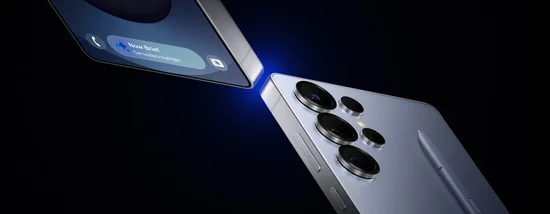
The guide uses Samsung Galaxy S25 Ultra as one concrete point of reference. A Galaxy S25 Ultra is an Android handset. Its Samsung branding does not give it the Tizen app store installed on some Samsung televisions. Use the Galaxy’s app listing for a mobile setup, and check the installed Android release. If the intention is casting, establish a locally playing channel before choosing a TV. If the intention is to install on the TV, set the phone aside and identify the TV’s model. Compare the full product designation with the one on your own device. Similar appearance can be enough to find the right family while leaving the release year, operating-system generation or account requirements open.
Install and open an appropriate player
The usual distribution for this family is Google Play on the handset. Use Google Play on a device that has the store. Search the full player name, examine its publisher, and read the device-compatibility information. The same Google account can have a phone and a television attached with different installation choices. Look for the opening screen before asking anyone to issue service details. A successful installation answers the hardware and distribution question. The correct form for a viewing account becomes clear once the player presents its own choices.
For a practical check on Android phones and tablets, keep the handset app, its cast receiver and the viewing account separate when describing a failure. Try the app on the phone’s own screen with familiar earphones or speakers. Keep the first test on one network. Once that works you can run a separate casting or mobile-data test and record which part changes. Repeat the action with the remote, touchscreen or keyboard the household will normally use. Someone completing setup with a different controller may never see the problem that makes everyday viewing difficult.
Two nearby examples
Xiaomi 15 illustrates a different decision. Xiaomi identifies this handset as Xiaomi 15. A similarly branded Xiaomi TV Box uses a television interface and remote even though both products can run Android-related software. Open the listing on the handset itself. If someone shared TV instructions, look at the supported devices before making an app purchase. Try the on-screen keyboard, touch navigation and guide list on the phone before attempting any wireless transfer to a television. Match the visible symptom, screen and input device in that example with your own before carrying over its instructions.
Another useful comparison comes from Google Pixel phone family. The supplied product photograph identifies the Google Pixel phone family. The product source is a Pixel 9 Pro page. The individual owner’s About phone screen identifies the actual model and Android release. Use the intended mobile player on one network first and leave casting off. Note the station, time and connection. Move to a second connection only after a local result is clear. A change of location can otherwise conceal the original failure. If the image or platform mark resembles your own but its menus differ, record your exact model and system version. One manufacturer can sell machines with several operating systems, especially across markets and product generations.
From first launch to a useful support reply
Once the player opens on Android phones and tablets, identify the fields it actually offers. Open the installed mobile player before requesting an account. A touch interface may offer a playlist address, a provider picker or separate account fields. Only the service that issued your account can confirm which form should receive the information. A support request can describe the labels, the country and the product version while leaving values private. This gives the issuer enough context to choose the right registration or playlist format.
If the phone returns to the store, look for Open or Update and check the publisher name again. If it opens but no service appears, preserve the app and check the type of account you were given. These two failures start in different places. When you ask about Android phones and tablets, give the last screen that worked and the precise action immediately after it. Mention a second screen only if you actually repeated the same test there. A working station on another device can distinguish a local app question from a question about one feed.