
iPhone and iPad player setup
Use the App Store listing for your device. A player installed on an iPhone may have different controls or availability on an iPad or Apple TV.
Start with the unit you actually use
A phone is a useful travel test when the hotel television has an unfamiliar store. Open the iPhone player first, then decide whether wireless transfer to the television is even being offered. On iPhone and iOS, start at Settings, General, About and the installed iOS version. The iPhone model and iOS version can be checked together under About. An available app may require a later software release than the one on the phone. Take the installed version to the compatibility section of the actual App Store listing. If the television has a box plugged into HDMI, keep its remote beside the television remote until you can tell which Home button takes you to the intended launcher.
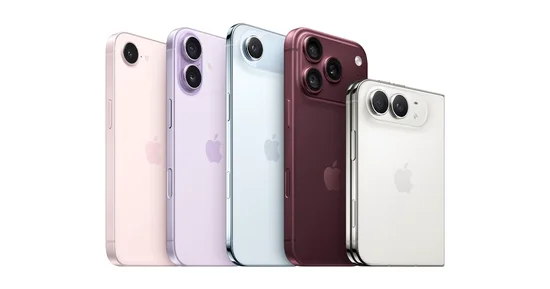
The guide uses Apple iPhone family as one concrete point of reference. The iPhone product photograph identifies a family of phones. The App Store evaluates the installed iOS version and device compatibility instead of the model’s appearance. Play a channel through the phone’s own speakers, using the network you intend to test. Read the player name and version before opening an AirPlay destination. A phone connected to headphones can also send sound away from the speaker you expect. Compare the full product designation with the one on your own device. Similar appearance can be enough to find the right family while leaving the release year, operating-system generation or account requirements open.
Install and open an appropriate player
The usual distribution for this family is the iPhone App Store. Use the App Store on the iPhone, look for the named developer and examine the purchase terms. A free download can include separate purchases. Open the app after installation and keep the listing handy if the name on the icon differs from the store title. Look for the opening screen before asking anyone to issue service details. A successful installation answers the hardware and distribution question. The correct form for a viewing account becomes clear once the player presents its own choices.
For a practical check on iPhone and iOS, separate mobile playback from an AirPlay, Bluetooth or external-display problem by making one change at a time. Try playback through the phone’s own display and speakers first. Then test AirPlay separately on an intended receiver. Include whether the problem affects both paths, and whether the sender’s screen keeps showing the expected programme. Repeat the action with the remote, touchscreen or keyboard the household will normally use. Someone completing setup with a different controller may never see the problem that makes everyday viewing difficult.
Two nearby examples
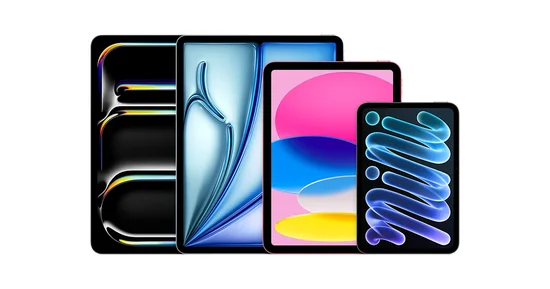
Apple iPad Pro illustrates a different decision. The large-screen iPad Pro can be used on a desk or handheld. A keyboard, external monitor or split viewing arrangement adds input and display choices to a setup that begins on the tablet itself. Open the player at full size and use touch to select the guide. After that test, open the multitasking layout you normally use. Record the window size and orientation before deciding a missing guide button is a sign-in fault. Match the visible symptom, screen and input device in that example with your own before carrying over its instructions.
Another useful comparison comes from Apple TV 4K with Siri Remote. Apple lists two third-generation Apple TV 4K configurations, A2737 for Wi-Fi and A2843 for Wi-Fi with Ethernet. A replacement Siri Remote can be paired to another box, so the remote alone cannot settle which model is on the shelf. Check Settings, General and About against Apple’s model list. If the household expects a wired comparison, identify whether this model actually has an Ethernet port before changing the router or looking for an adapter. If the image or platform mark resembles your own but its menus differ, record your exact model and system version. One manufacturer can sell machines with several operating systems, especially across markets and product generations.
From first launch to a useful support reply
Once the player opens on iPhone and iOS, identify the fields it actually offers. Face ID or an Apple Account prompt can authorize a store transaction. When the player subsequently asks for subscription details, the viewing service supplies those independently. Keep that distinction when one purchase succeeded but the channel list is still empty. A support request can describe the labels, the country and the product version while leaving values private. This gives the issuer enough context to choose the right registration or playlist format.
If the player launches and works locally, capture the exact receiver name before changing the service account. A missing receiver or a second room’s Apple TV in the destination picker is a different problem from a new player login. When you ask about iPhone and iOS, give the last screen that worked and the precise action immediately after it. Mention a second screen only if you actually repeated the same test there. A working station on another device can distinguish a local app question from a question about one feed.
Find the player
Search the exact player and publisher name. Read the purchase and compatibility information, then open the app and identify the login method.
The model detail that matters
AirPlay support depends on the player and the receiving device. Confirm local playback first, then test the separate casting path.
After the player opens
Look for the login method shown on screen. If it asks for a username and password, request details for that exact player. If it asks for a device key or portal, ask support to confirm the method privately.
Request a device trialIdentified models

Named hardware and model guides
Questions and answers
How do I choose a player for iPhone and iPad?
Use the App Store listing for your device. A player installed on an iPhone may have different controls or availability on an iPad or Apple TV. Search the exact player and publisher name. Read the purchase and compatibility information, then open the app and identify the login method.