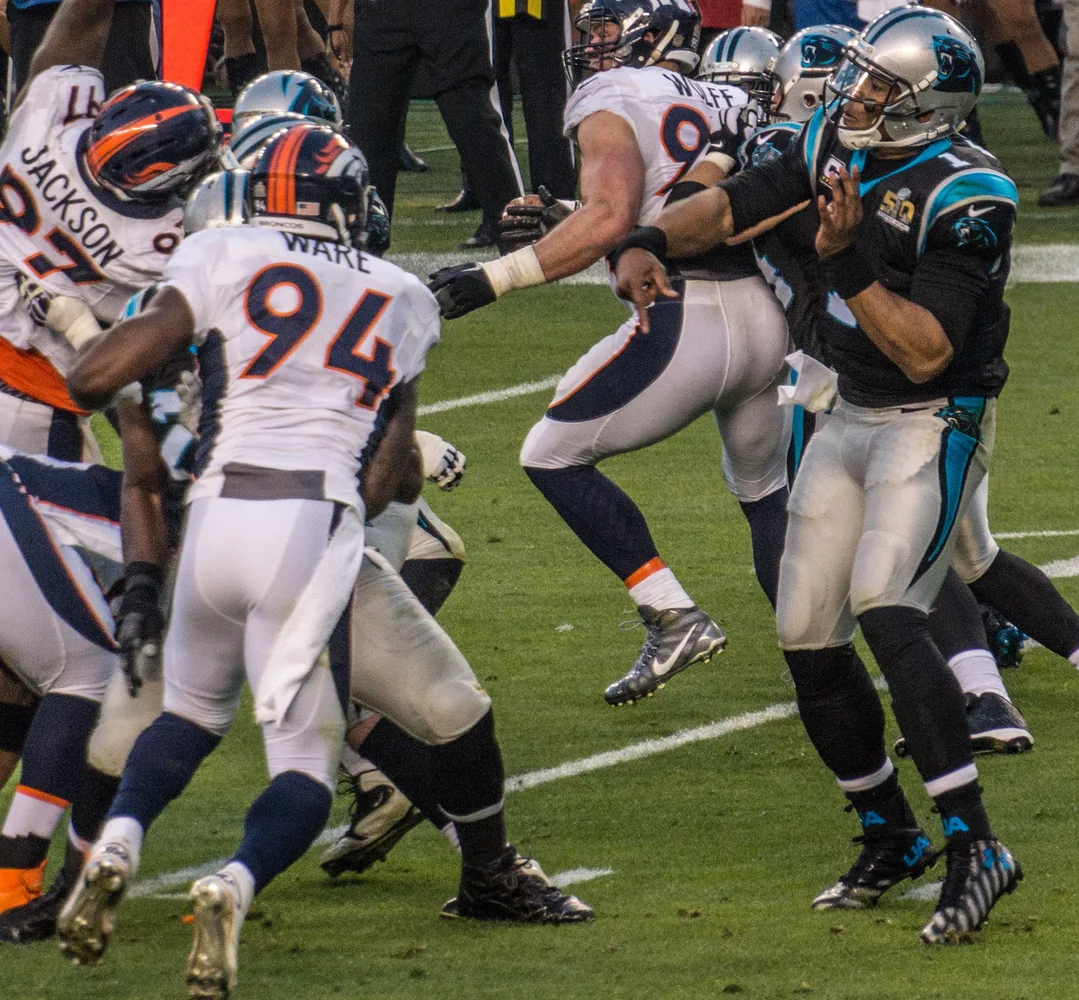
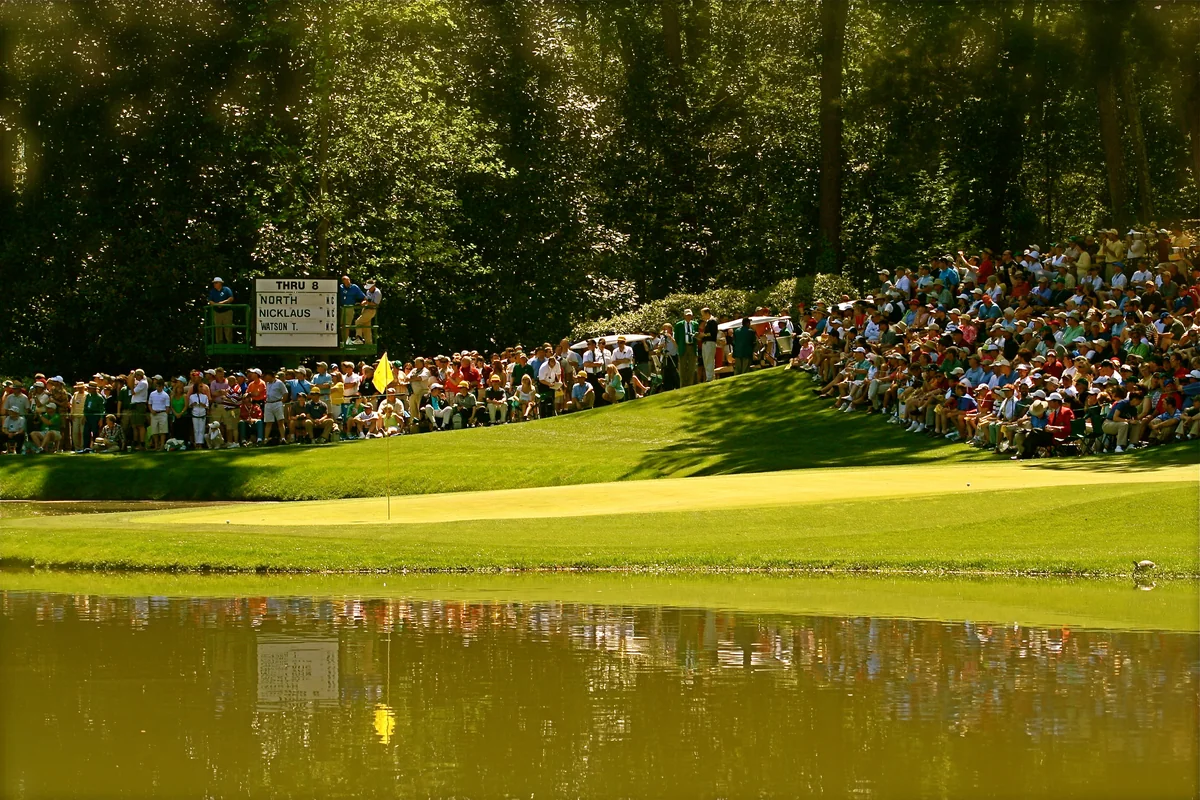
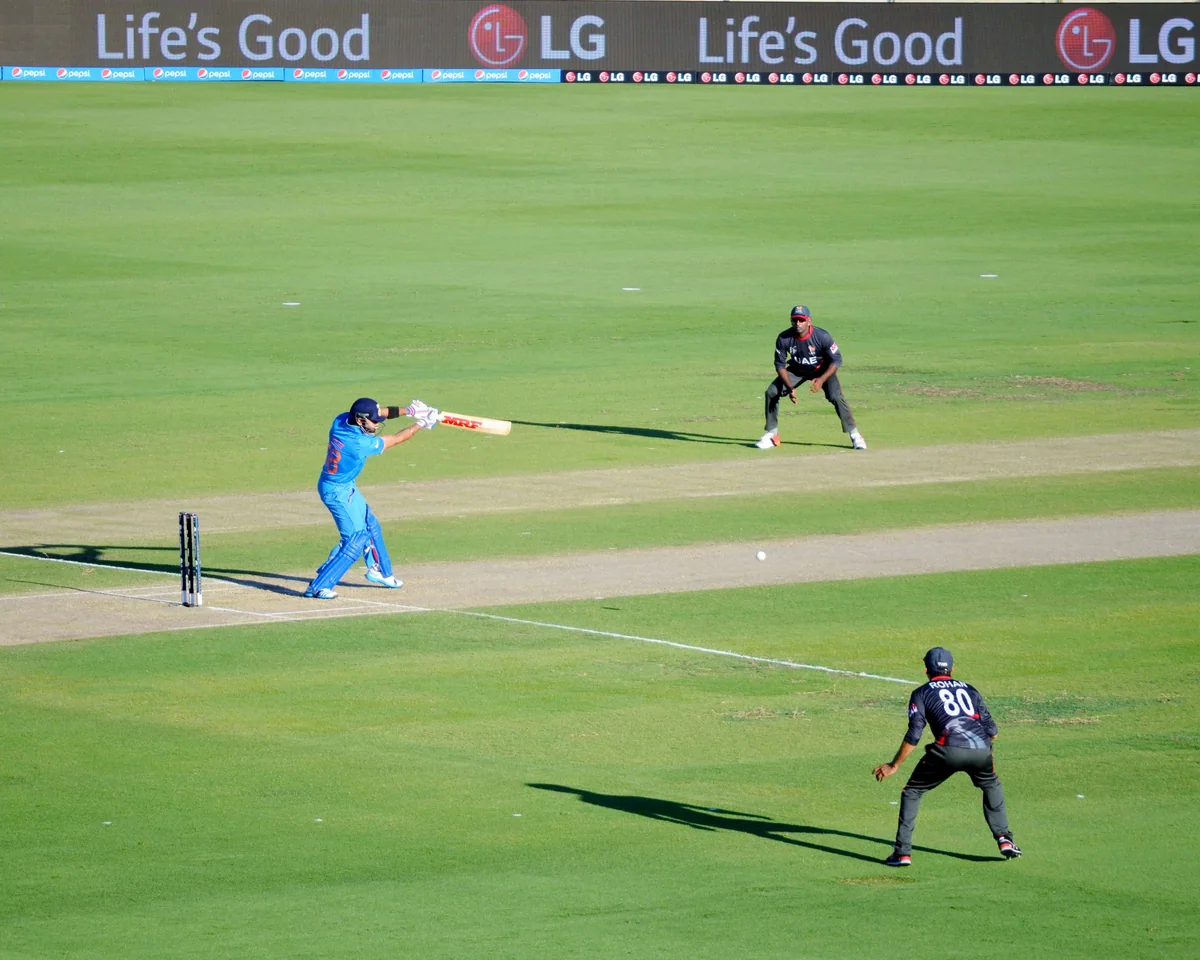
What the frame establishes
At Silverstone the circuit and corner matter. A race car photographed in a particular bend connects a driver, car and event in a way that a plain championship logo cannot. A photograph from a practice session can show the same livery as the race itself, however. The credited description and original file record place the image in its actual session or meeting whenever that information survives.
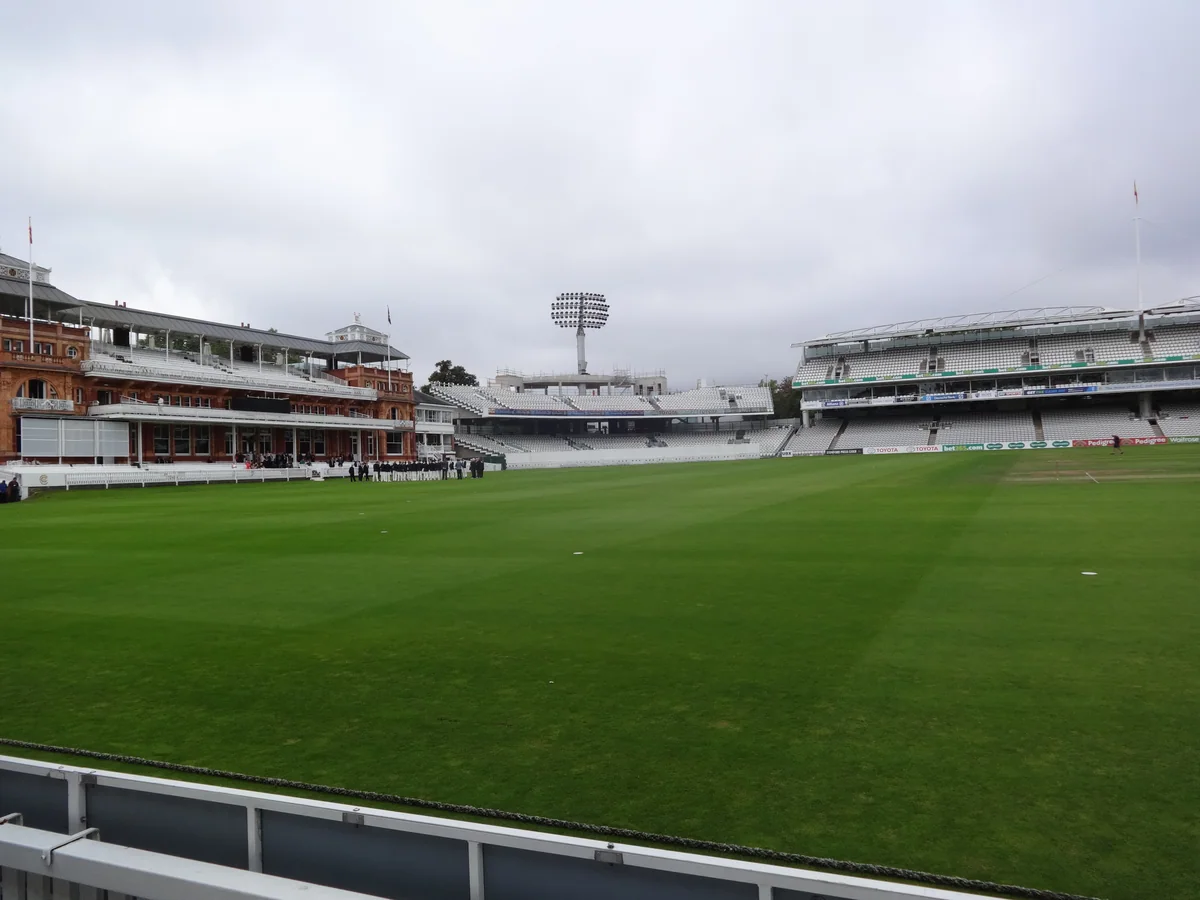
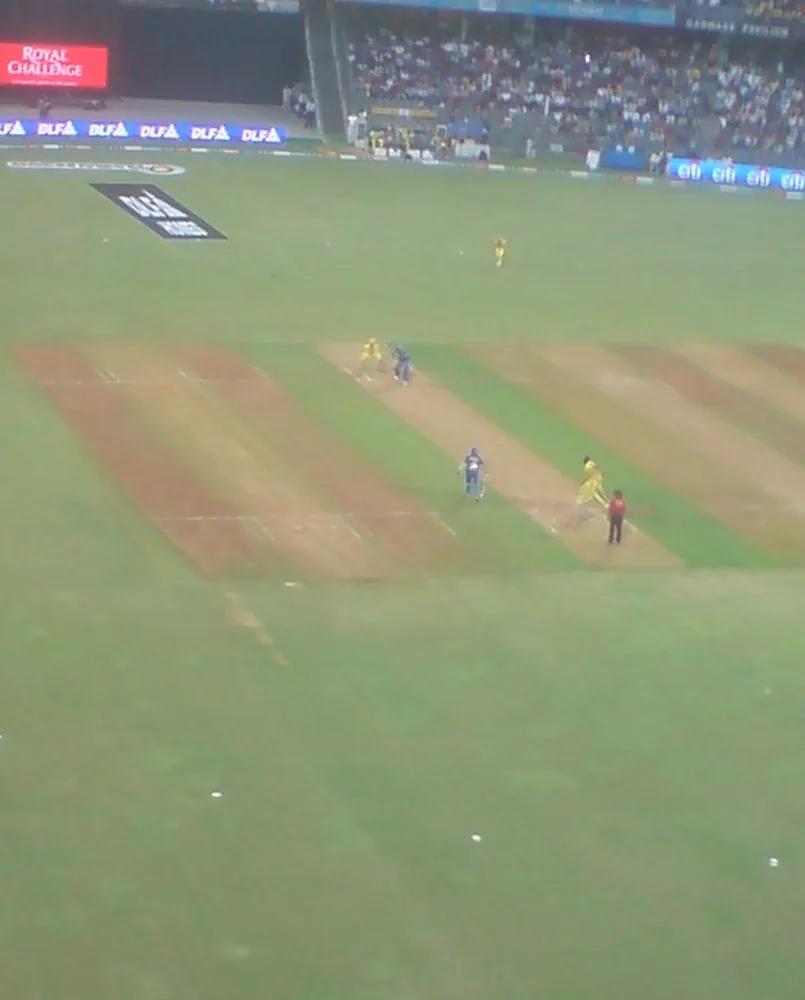
A cricket photograph at Perth and a view of the pavilion at Lord’s answer different questions. A named batter and opponent place an action image inside a particular match. A pavilion identifies a ground that can stage many competitions over the course of a summer. If a championship guide illustrates the venue, look to the scorecard for evidence of who played that day.
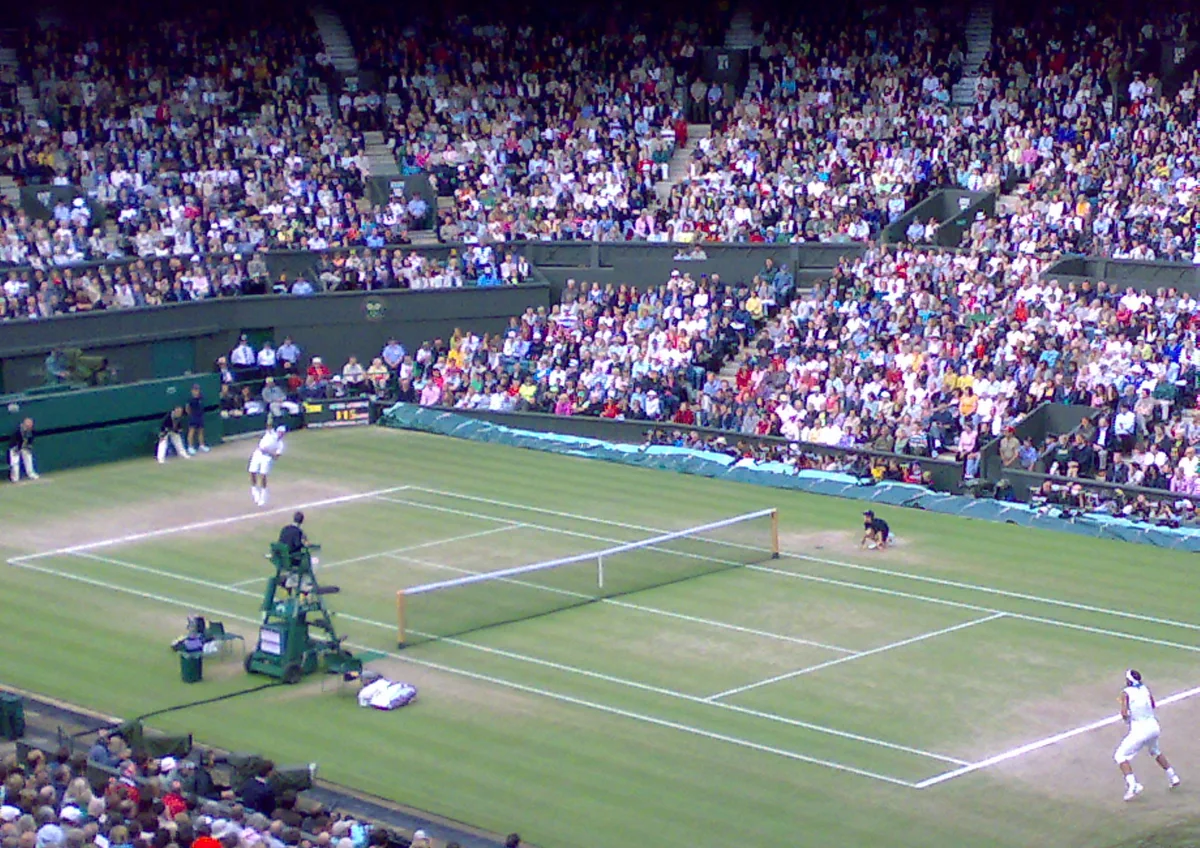
A tennis court can be identified through its surface, stadium and signage, but those clues seldom resolve the player pairing on their own. A day of tournament coverage can include qualifying on an outside court, doubles and a singles match in the main arena. An archive caption is strongest when it identifies the court, date and players rather than simply repeating the tournament brand.
A camera trained on a basketball or hockey arena can show the relationship between the playing surface, benches and spectators. An event photographer may capture a moment between plays when those relationships are easier to see. A television replay cuts among several camera positions, so the apparent direction of movement in a still photograph is a poor way to locate the moment in a broadcast.
A course view in golf can put a shot in context. The hole number, side of the fairway and visible hazards can matter more than the identity on a scoreboard. A photograph of a trophy has a different role. It can identify the competition tradition or an award without implying that the person pictured won the most recent edition. Read the year beside the credit.
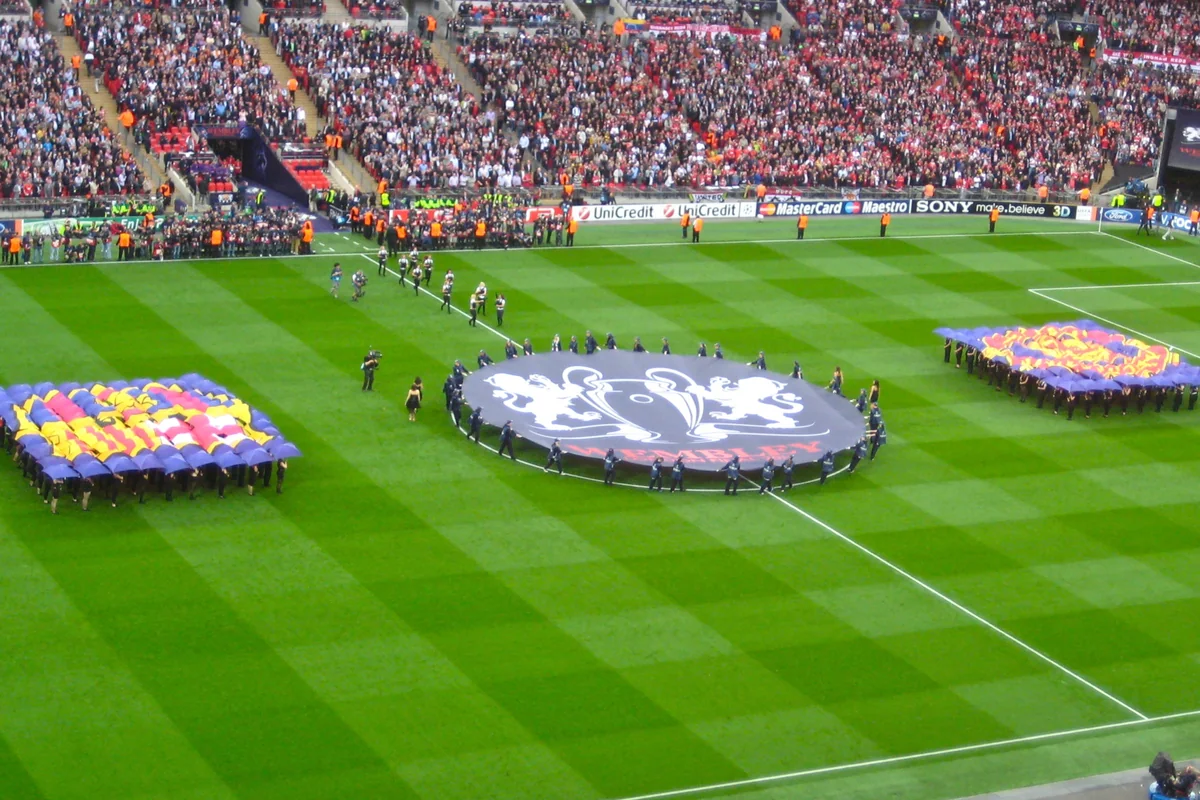
For football, a photograph of Wembley identifies a stadium shared by many national and club occasions. The competition and round belong in the fixture record. A neutral final can bring two clubs to a ground neither calls home. A stadium illustration on a guide can therefore be accurate even when the guide also covers matches elsewhere in the country or continent.
Photographers retain their named credit when a licensed image is resized for the web. The original file link beneath each photograph gives readers access to the larger image, the author’s attribution and the licensing record. Some files permit reuse with attribution and require adapted versions to retain the same licence. Public-domain records follow a different route and carry their own source details.
When using an image to identify an older event, write down what the frame actually shows, then add the information established by the source caption. A helmet design, crowd banner or television graphic may offer a clue without settling the edition. Follow the organizer’s results and the original file before assigning an exact fixture, event time or broadcast partner to a photograph.