
New Zealand NPC Rugby viewing guide
The NPC uses provincial unions. A player can also represent a Super Rugby franchise. Keep the province and season when comparing a domestic match report with franchise television coverage.
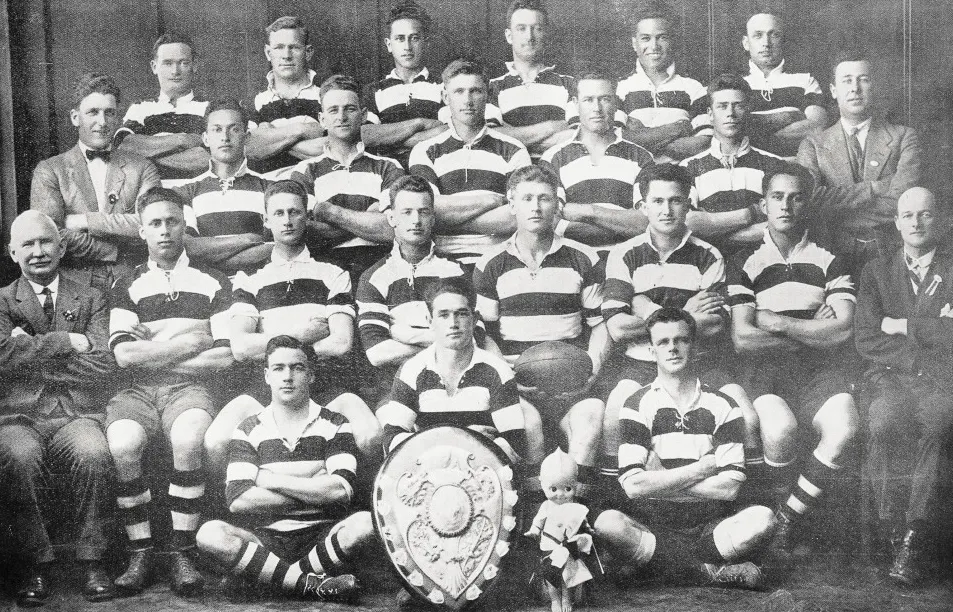


Provincial rather than franchise rugby
The NPC uses provincial unions. A player can also represent a Super Rugby franchise. Keep the province and season when comparing a domestic match report with franchise television coverage.
For New Zealand NPC Rugby, keep the teams, competition, round and venue on the same line when saving a fixture. Identify the sides, the code of rugby and the round before searching. Some club and international fixtures occupy the same weekend. A city or player surname can identify several different matches, whereas the opposing sides and competition title usually narrow the list quickly.
Reading the programme and the archive
The historical results for New Zealand NPC Rugby include Waikato (2006), Auckland (2007) and Canterbury (2025). Use the year with the winner when looking for a replay. The highlights from a title-winning round can sit next to a retrospective released months later. Opening credits, the opponent or location, and the result sheet can establish whether you found footage from the edition you meant.
New Zealand NPC Rugby schedules can attach more than one time to the same programme. Read the host venue and local kickoff date together. A tour or competition can take in several time zones, so a conversion from the preceding round can be misleading. Build-up may include the anthems and team announcements before the match clock starts.
What a host-city time means at home
Consider a clock example for a viewer following New Zealand NPC Rugby. Imagine that a programme lists 19:30 in Auckland on 12 December 2026. That reads 06:30 on 12 December in London and 01:30 on 12 December in New York. The example is a time conversion. A real fixture still needs its own published start and host city.
Using the same 19:30 in Auckland on 12 June 2027 gives 08:30 on 12 June in London and 03:30 on 12 June in New York. Compare those two dates before carrying a time difference into another New Zealand NPC Rugby round. If the scheduling app already displays your local time, save the entry as shown. Converting it again is how an otherwise correct reminder ends up an hour or a whole day out.
Who carries the event in your market?
Begin with the organizer’s event page for New Zealand NPC Rugby and choose the event, edition or fixture. Follow a “where to watch” link for the country in which the screen will be used. In the local broadcaster’s own guide, match the event details with the network or streaming service and the start of coverage. A worldwide organizer feed and a domestic broadcaster may use different names for the same programme.
Finding the part you came for
For an archive search under New Zealand NPC Rugby, start with the official results before typing a long description of a moment. A full-match replay lets you follow territory and possession between scoring plays. A tries package preserves a different part of the story. Match the scoreboard and the half when searching for a disciplinary decision, since a highlight caption may only name the player.
Competition picture desk

Venues in the record
The New Zealand NPC Rugby reference table pairs team, location and venue. Its entries include “Auckland · Auckland · Eden Park”, “Canterbury · Christchurch · One New Zealand Stadium” and “Waikato · Hamilton · FMG Stadium Waikato”. Ground and circuit names change with sponsors and renovations. A location in a contemporary report can survive a rebranding, which makes the city and venue useful when matching a later upload to an old programme.
| Team | Location | Venue |
|---|---|---|
| Auckland | Auckland | Eden Park |
| Canterbury | Christchurch | One New Zealand Stadium |
| Waikato | Hamilton | FMG Stadium Waikato |
| Wellington | Wellington | Hnry Stadium |
Earlier results
The New Zealand NPC Rugby reference table pairs edition, year, champion, result and runner-up. Its entries include “1 · 2006 · Waikato · 37–31 · Wellington”, “2 · 2007 · Auckland · 23–14 · Wellington” and “20 · 2025 · Canterbury · 36–28 · Otago”. A winner, a runner-up and a club’s cumulative title count answer different archive questions. For footage from one edition, begin with a specific dated result. A table covering several seasons can include the same name in several roles.
| Edition | Year | Champion | Result | Runner-up |
|---|---|---|---|---|
| 1 | 2006 | Waikato | 37–31 | Wellington |
| 2 | 2007 | Auckland | 23–14 | Wellington |
| 20 | 2025 | Canterbury | 36–28 | Otago |
| 21 | 2026 | Canterbury | 43–24 | Northland |
Competition records and edition names
For an edition search, the competition profile for New Zealand NPC Rugby records first season (1976), foundation (1975) and country (New Zealand). Those are useful identifiers when an old television caption uses a different name or a translation. For a specific fixture, resolve the actual season first. Club membership, rules and venues in a general profile can reflect a later edition than the game in the archive.
Two entries in the reference tables associated with New Zealand NPC Rugby illustrate the level of detail available. One records team Auckland, location Auckland, venue Eden Park. The other records team Canterbury, location Christchurch, venue One New Zealand Stadium. Read these as entries from the competition’s background tables. A new fixture needs its own announcement. A source result, unlike a recycled highlights title, preserves the names or places used for that particular record.
Questions and answers
Which schedule details identify New Zealand NPC Rugby?
The NPC uses provincial unions. A player can also represent a Super Rugby franchise. Keep the province and season when comparing a domestic match report with franchise television coverage.