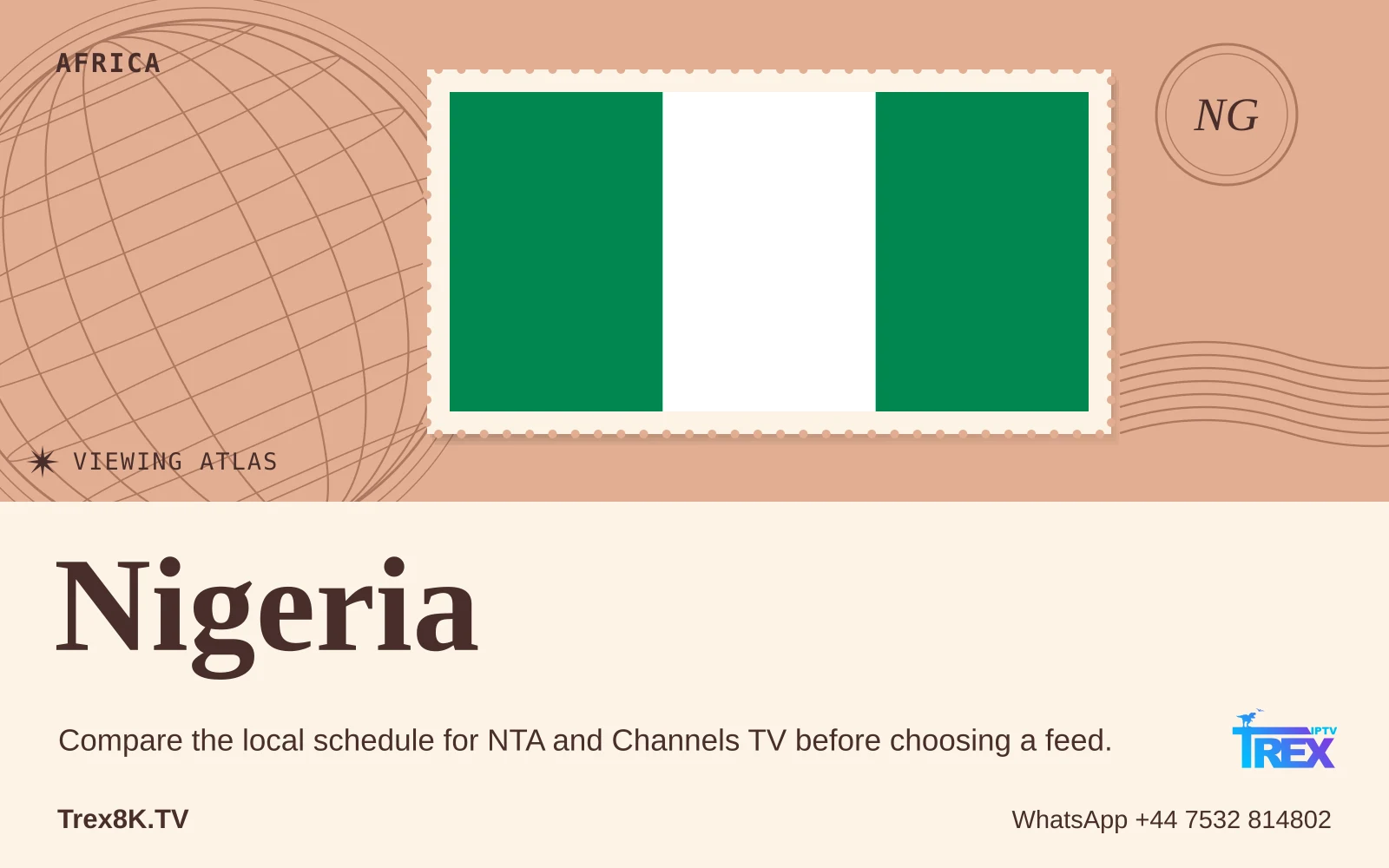
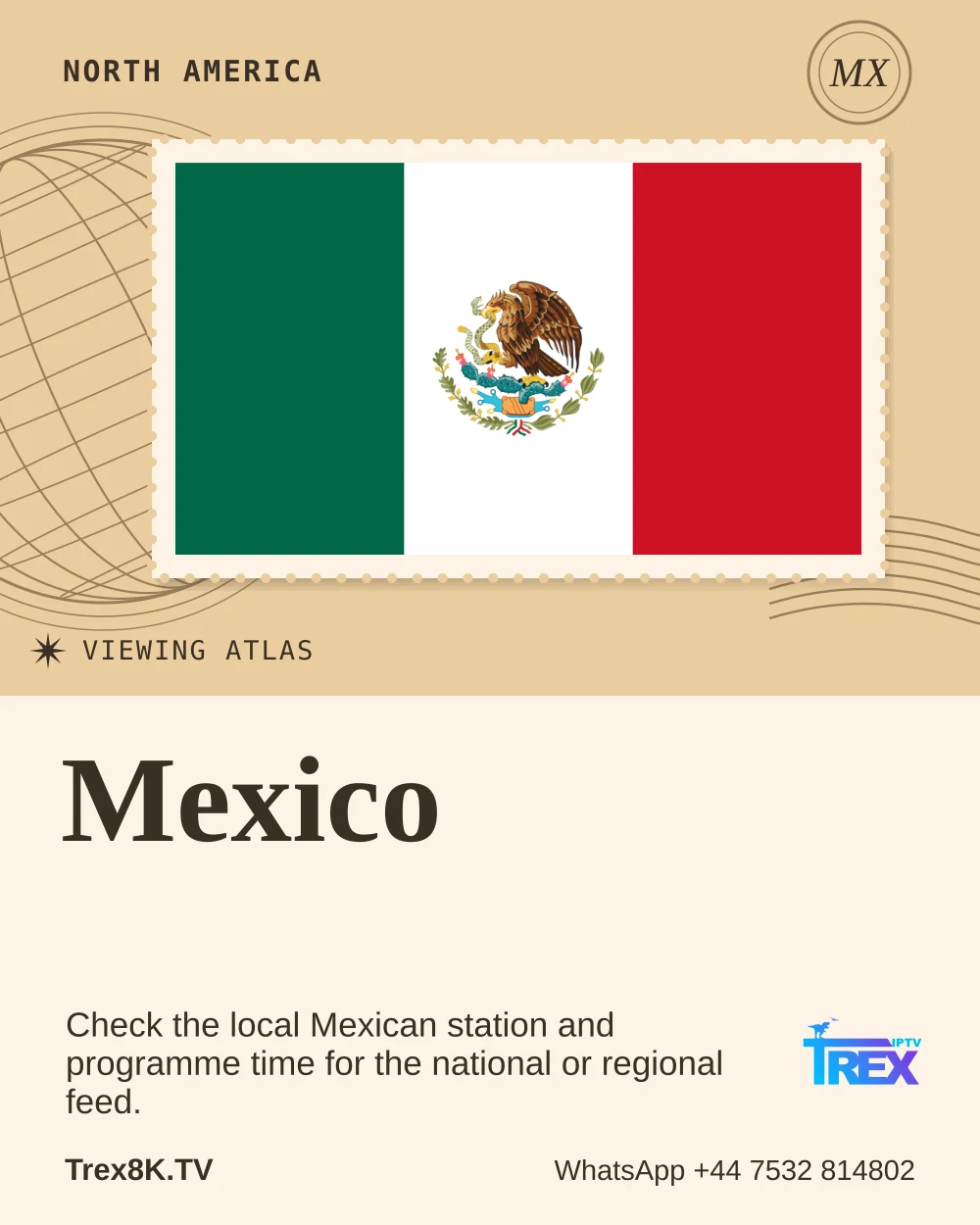
Mexico has its own card and flag in the collection. The short label identifies the destination. For a local programme example, the destination guide starts here: For an event advertised at 20:00 UTC on 15 December 2026, the local clock in Mexico City reads 14:00, 15 Dec. Use the country page to check the spelling that will actually appear in your player.
If you are comparing the cards on a phone, open the portrait of Mexico. Its layout keeps the local identity legible without requiring you to zoom the landscape graphic. The accompanying guide has the station names and clock examples as searchable text.
Moldova has its own card and flag in the collection. The short label identifies the destination. For a local programme example, the destination guide starts here: For an event advertised at 20:00 UTC on 15 December 2026, the local clock in Chisinau reads 22:00, 15 Dec. Use the country page to check the spelling that will actually appear in your player.
If you are comparing the cards on a phone, open the portrait of Moldova. Its layout keeps the local identity legible without requiring you to zoom the landscape graphic. The accompanying guide has the station names and clock examples as searchable text.
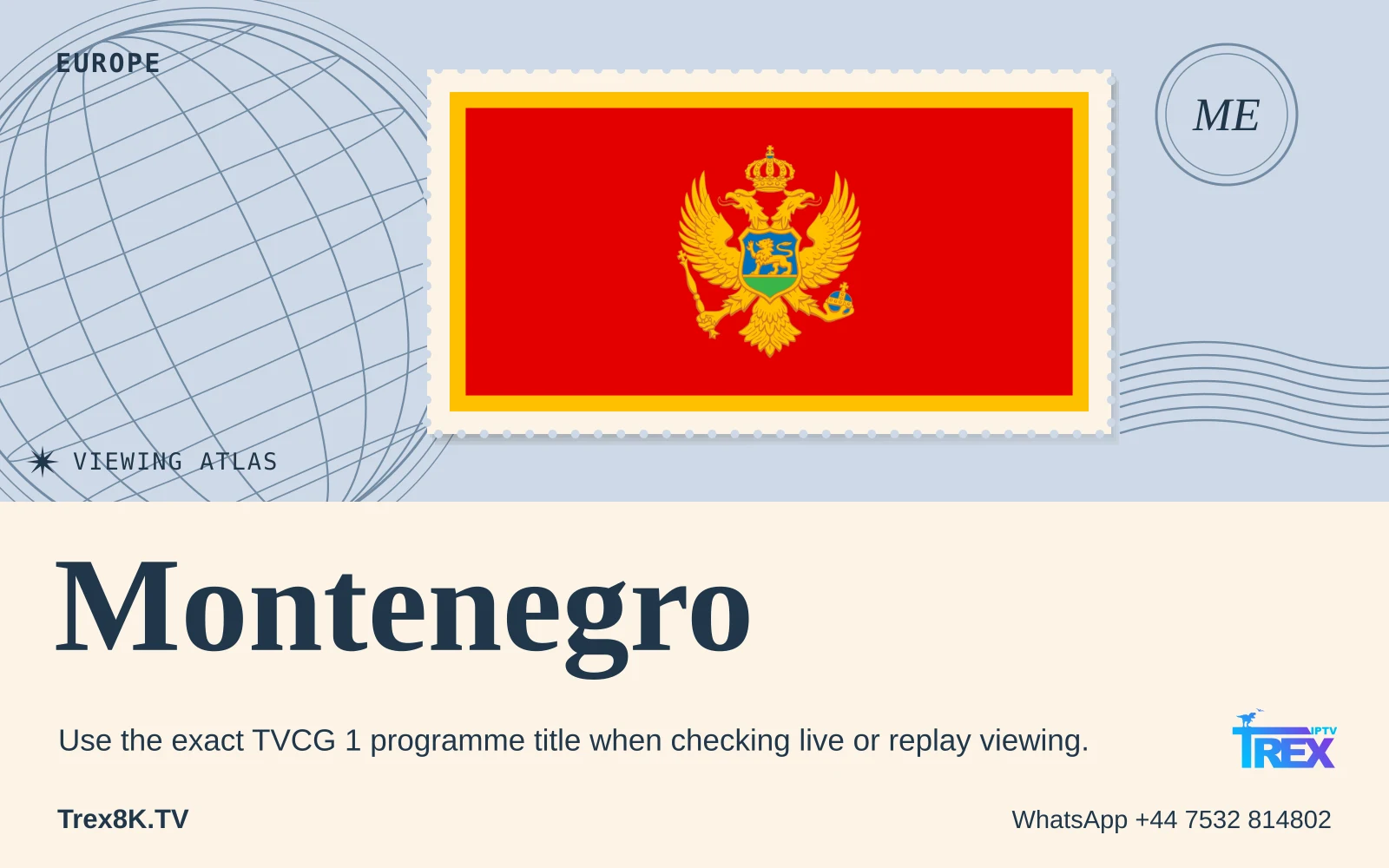
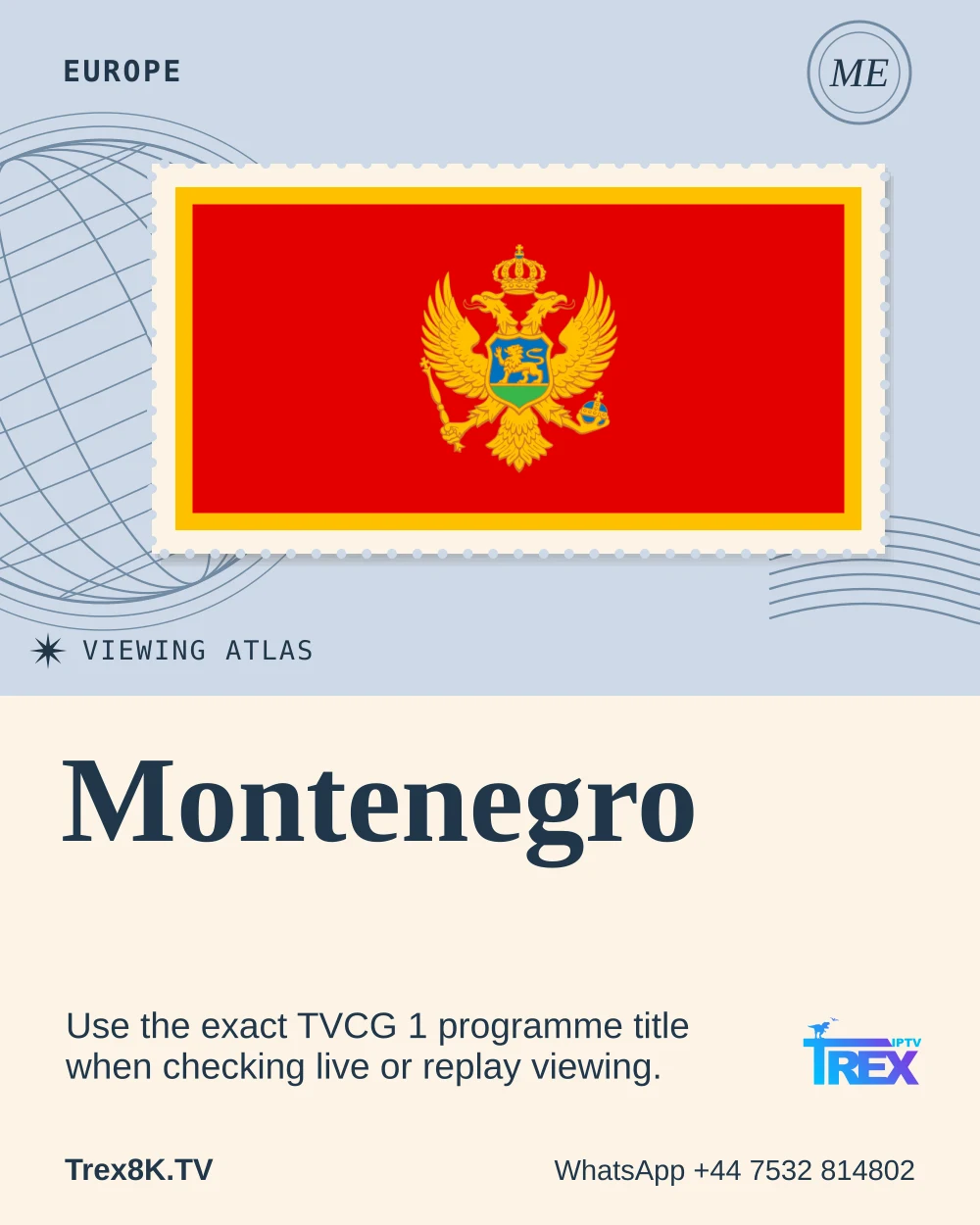
Montenegro has its own card and flag in the collection. The short label identifies the destination. For a local programme example, the destination guide starts here: For an event advertised at 20:00 UTC on 15 December 2026, the local clock in Podgorica reads 21:00, 15 Dec. Use the country page to check the spelling that will actually appear in your player.
If you are comparing the cards on a phone, open the portrait of Montenegro. Its layout keeps the local identity legible without requiring you to zoom the landscape graphic. The accompanying guide has the station names and clock examples as searchable text.
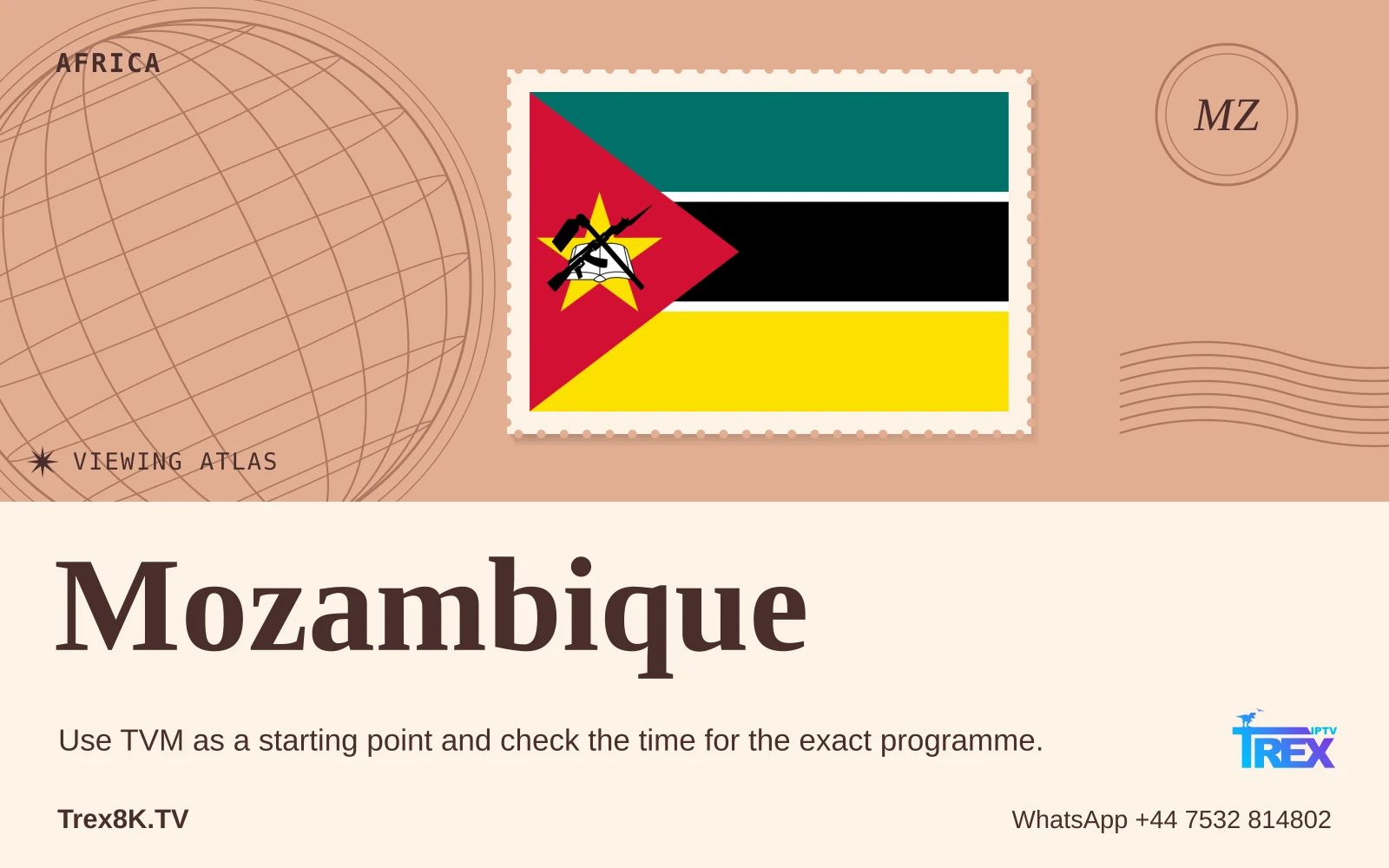
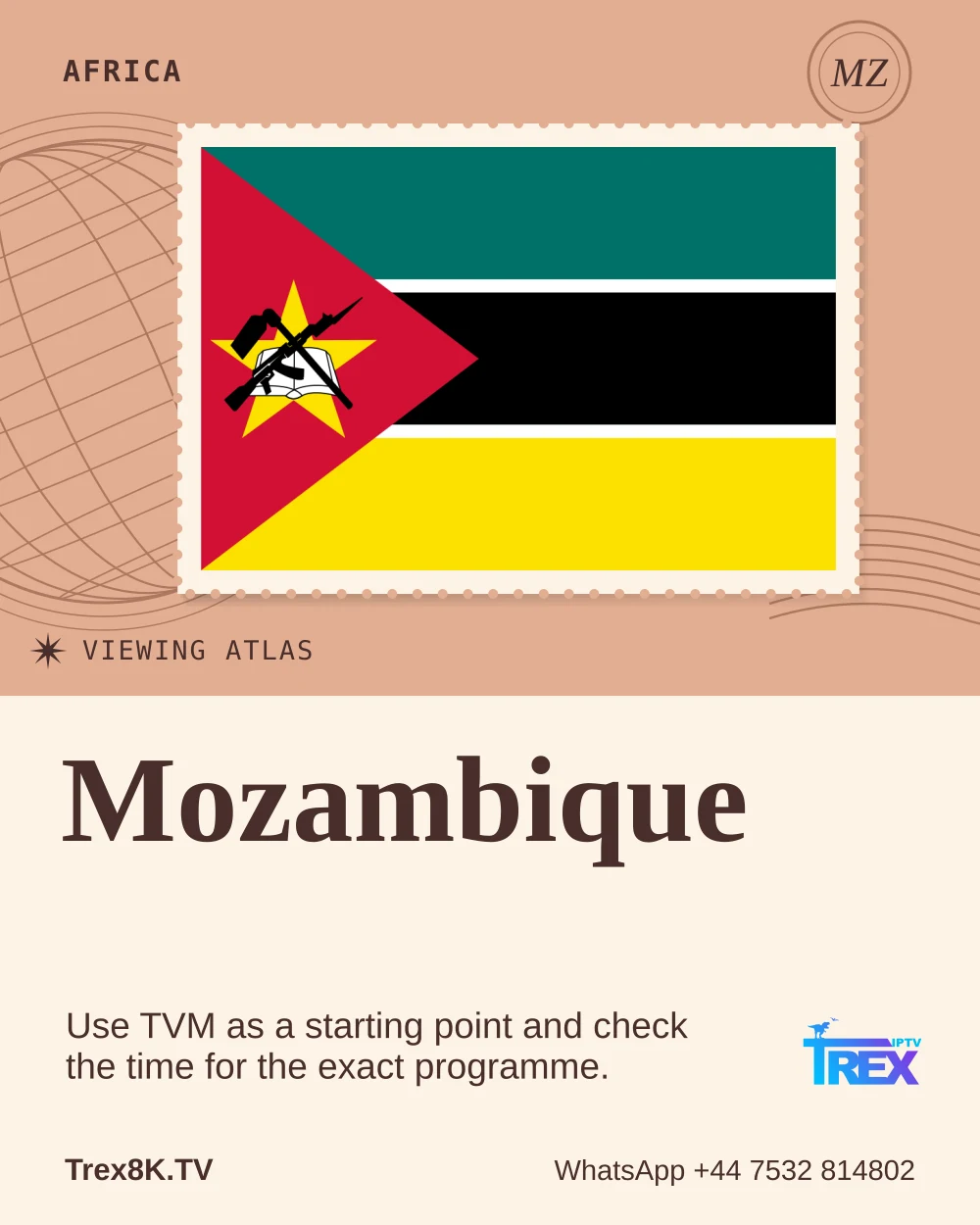
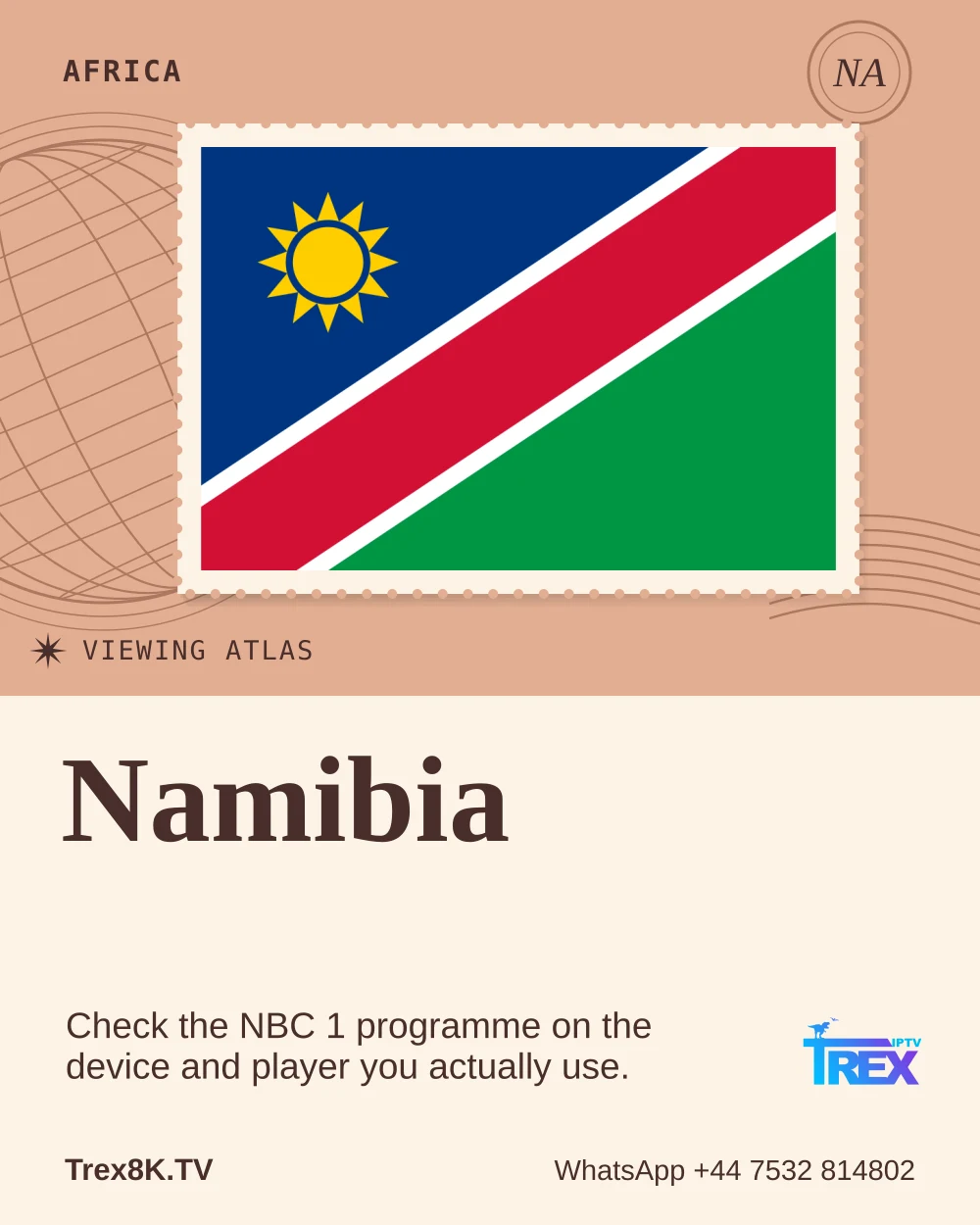
Mozambique has its own card and flag in the collection. The short label identifies the destination. For a local programme example, the destination guide starts here: For an event advertised at 20:00 UTC on 15 December 2026, the local clock in Maputo reads 22:00, 15 Dec. Use the country page to check the spelling that will actually appear in your player.
If you are comparing the cards on a phone, open the portrait of Mozambique. Its layout keeps the local identity legible without requiring you to zoom the landscape graphic. The accompanying guide has the station names and clock examples as searchable text.
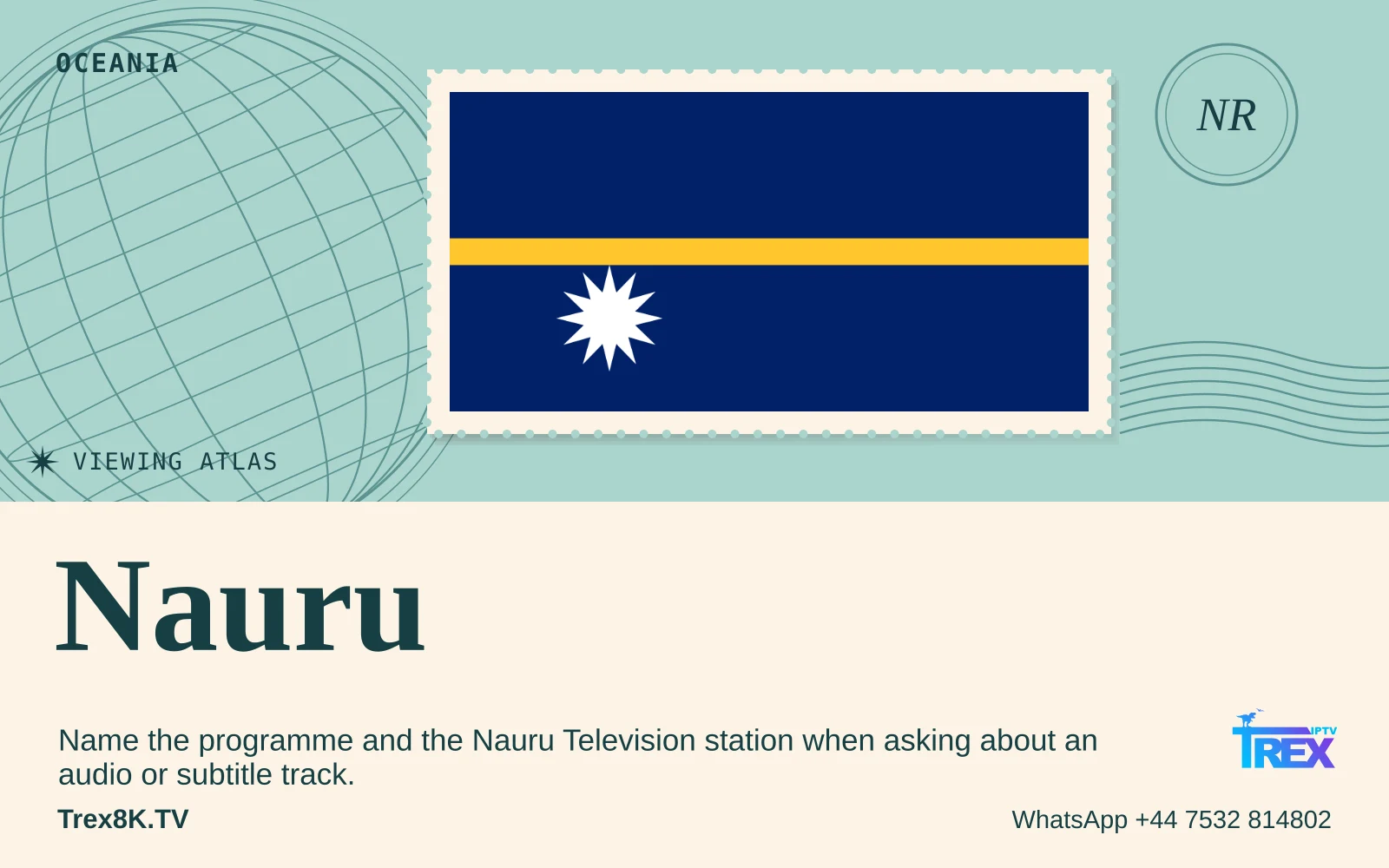
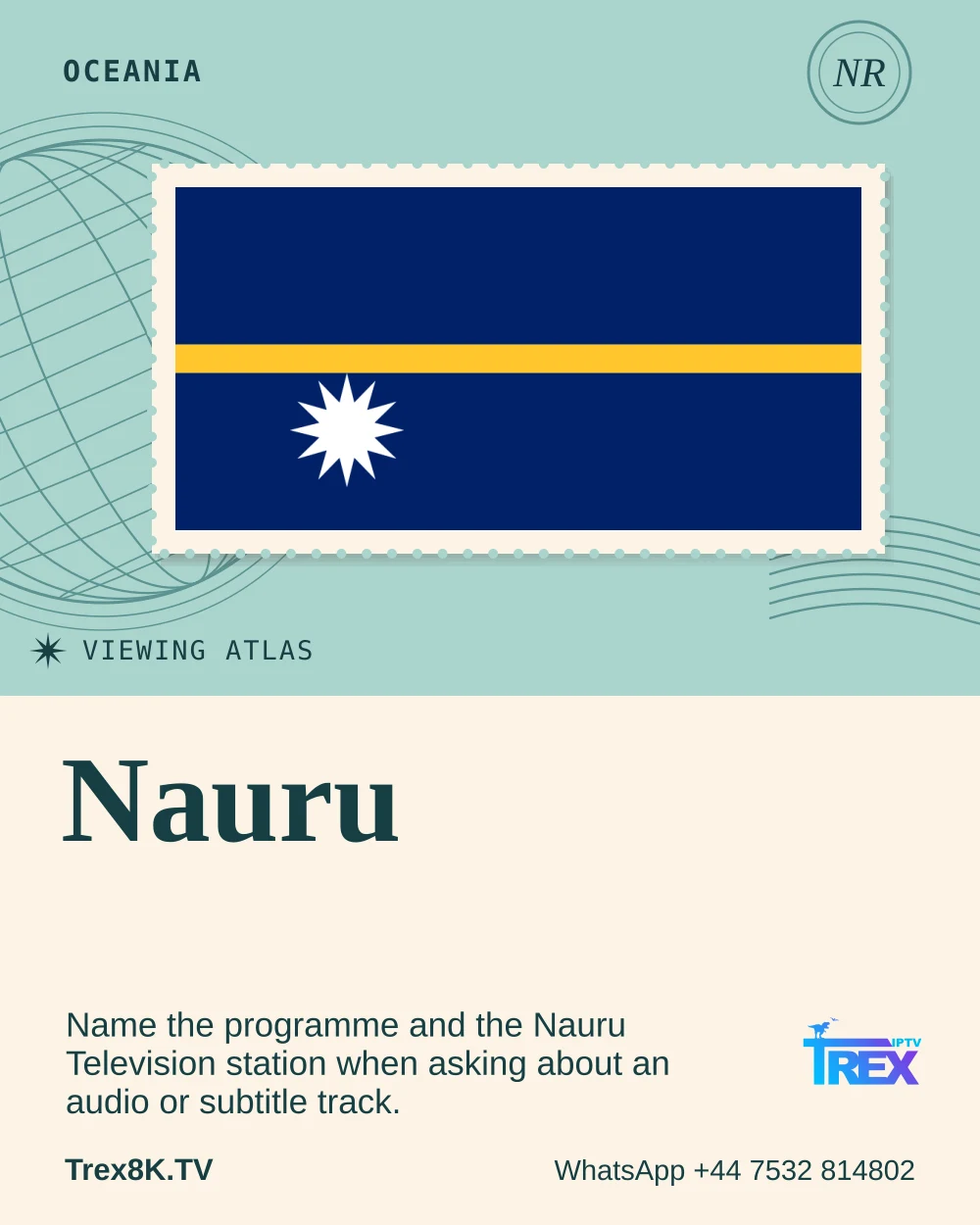
Nauru has its own card and flag in the collection. The short label identifies the destination. For a local programme example, the destination guide starts here: For an event advertised at 20:00 UTC on 15 December 2026, the local clock in Nauru reads 08:00, 16 Dec. Use the country page to check the spelling that will actually appear in your player.
If you are comparing the cards on a phone, open the portrait of Nauru. Its layout keeps the local identity legible without requiring you to zoom the landscape graphic. The accompanying guide has the station names and clock examples as searchable text.
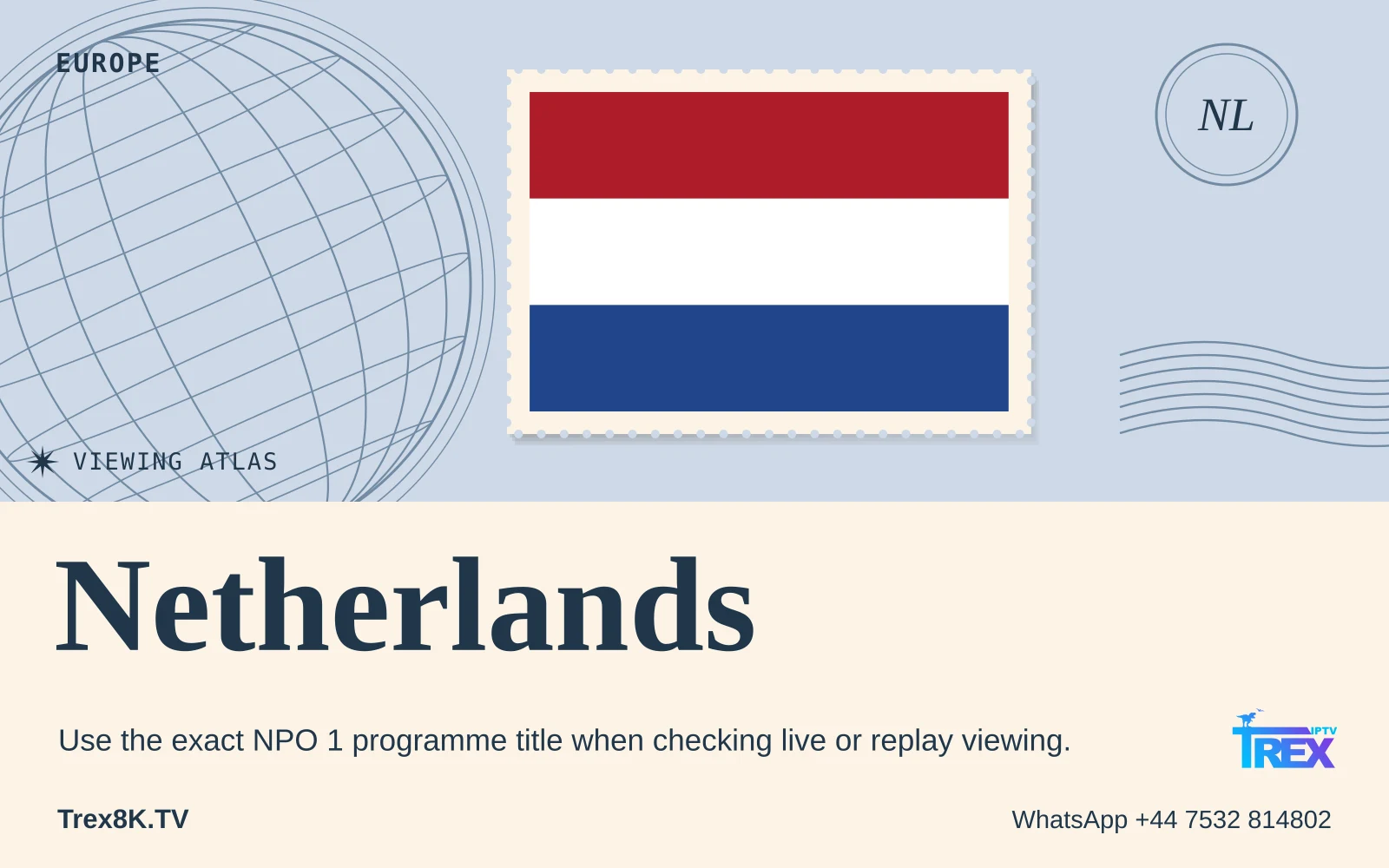
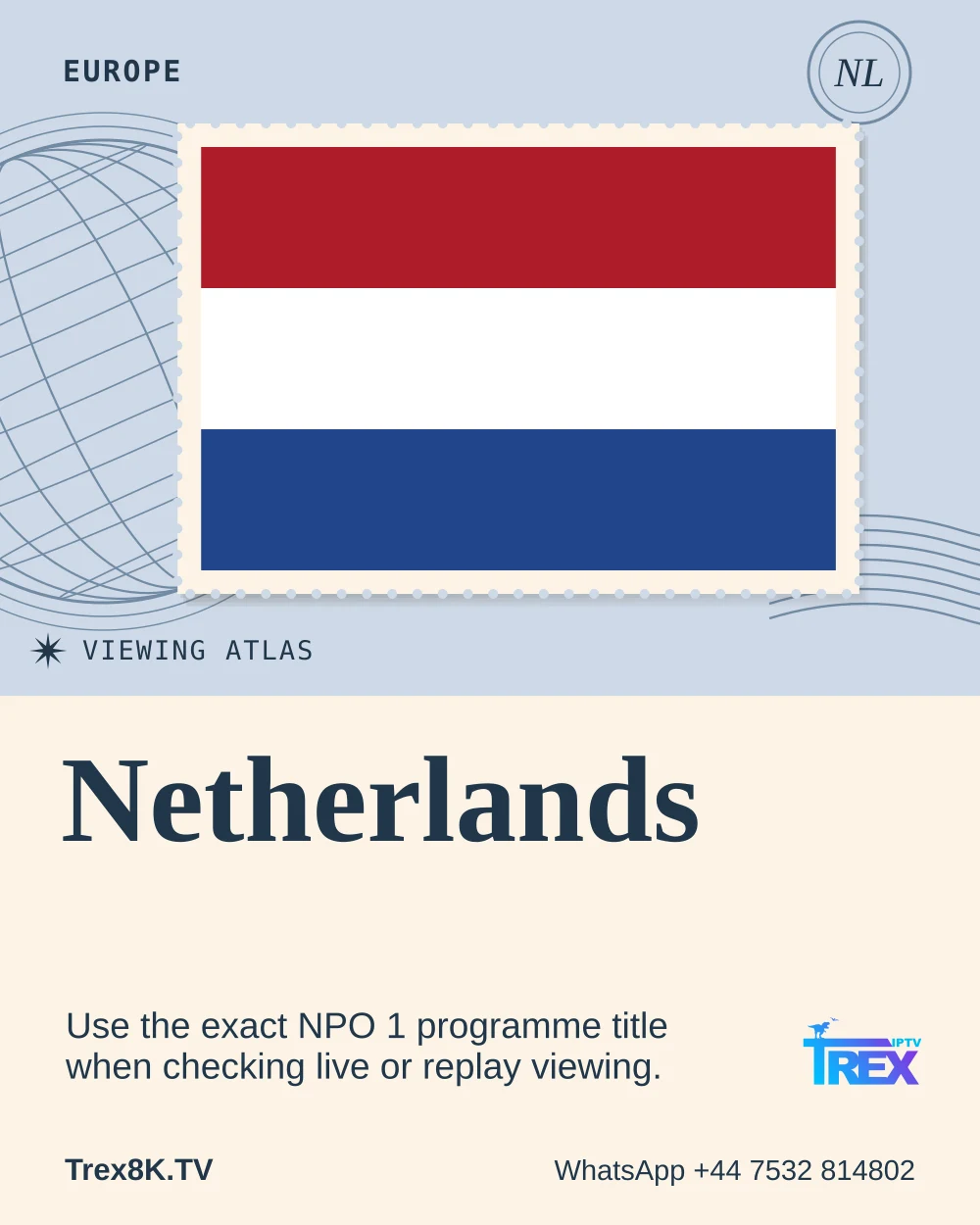
Netherlands has its own card and flag in the collection. The short label identifies the destination. For a local programme example, the destination guide starts here: For an event advertised at 20:00 UTC on 15 December 2026, the local clock in Amsterdam reads 21:00, 15 Dec. Use the country page to check the spelling that will actually appear in your player.
If you are comparing the cards on a phone, open the portrait of Netherlands. Its layout keeps the local identity legible without requiring you to zoom the landscape graphic. The accompanying guide has the station names and clock examples as searchable text.
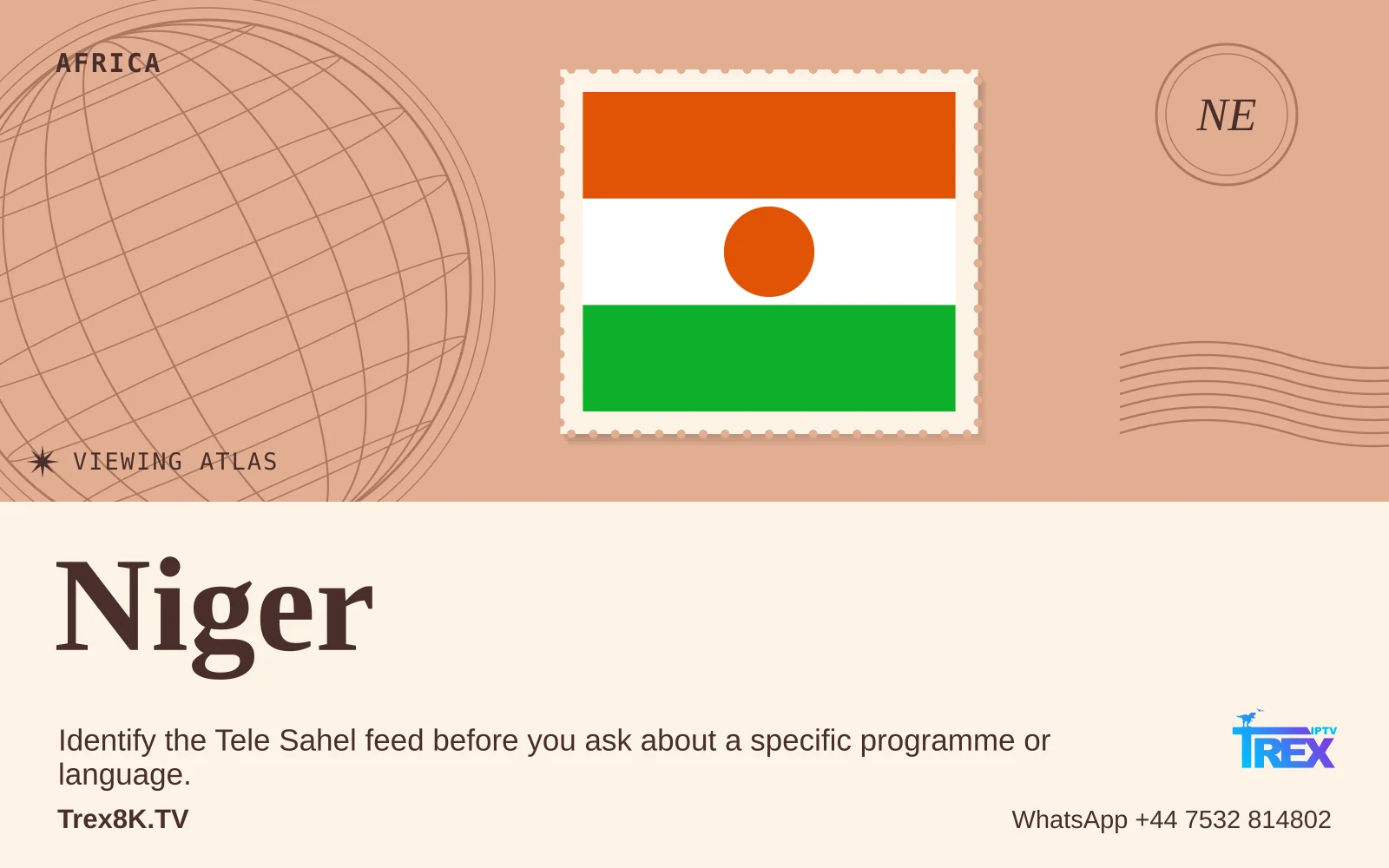
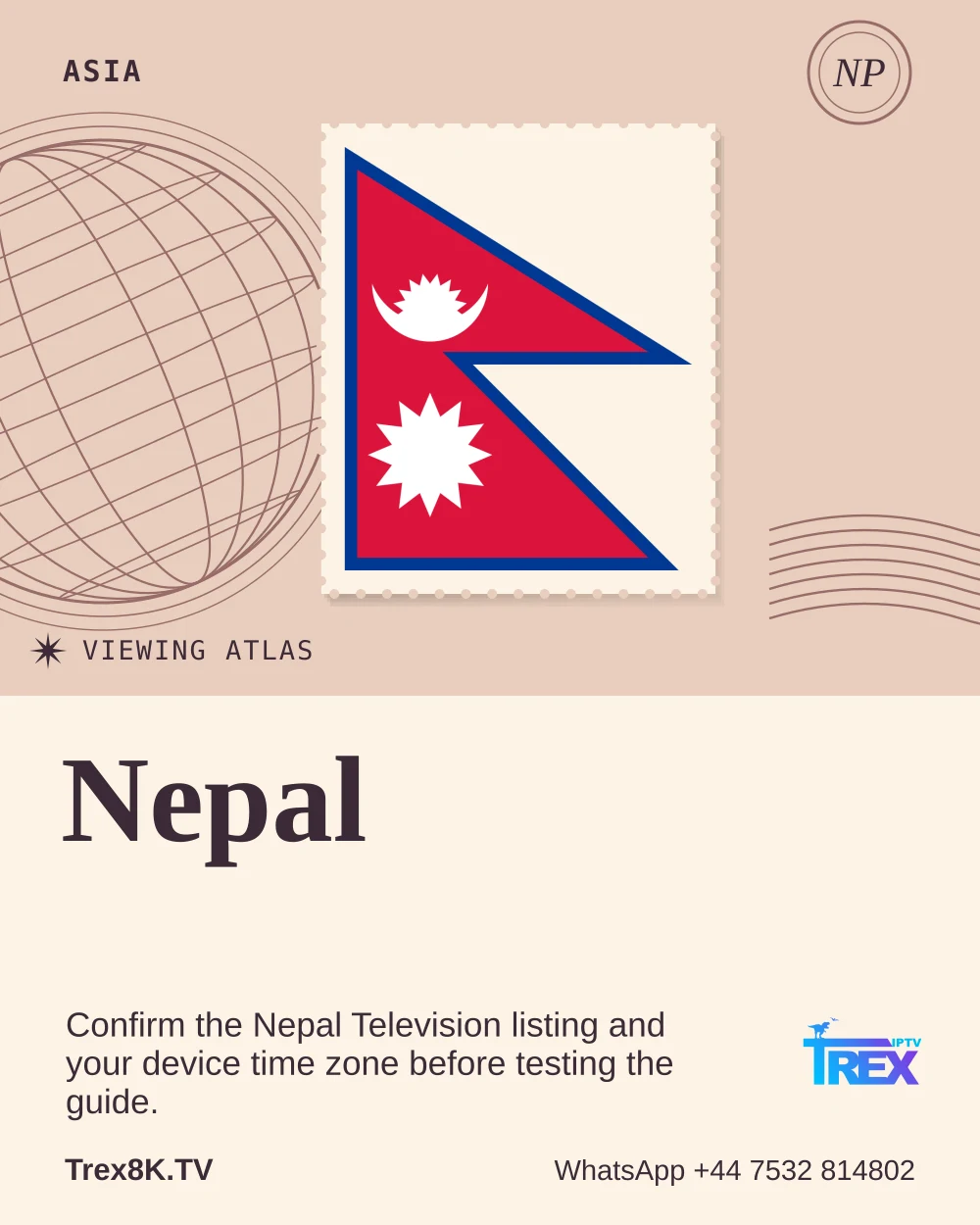
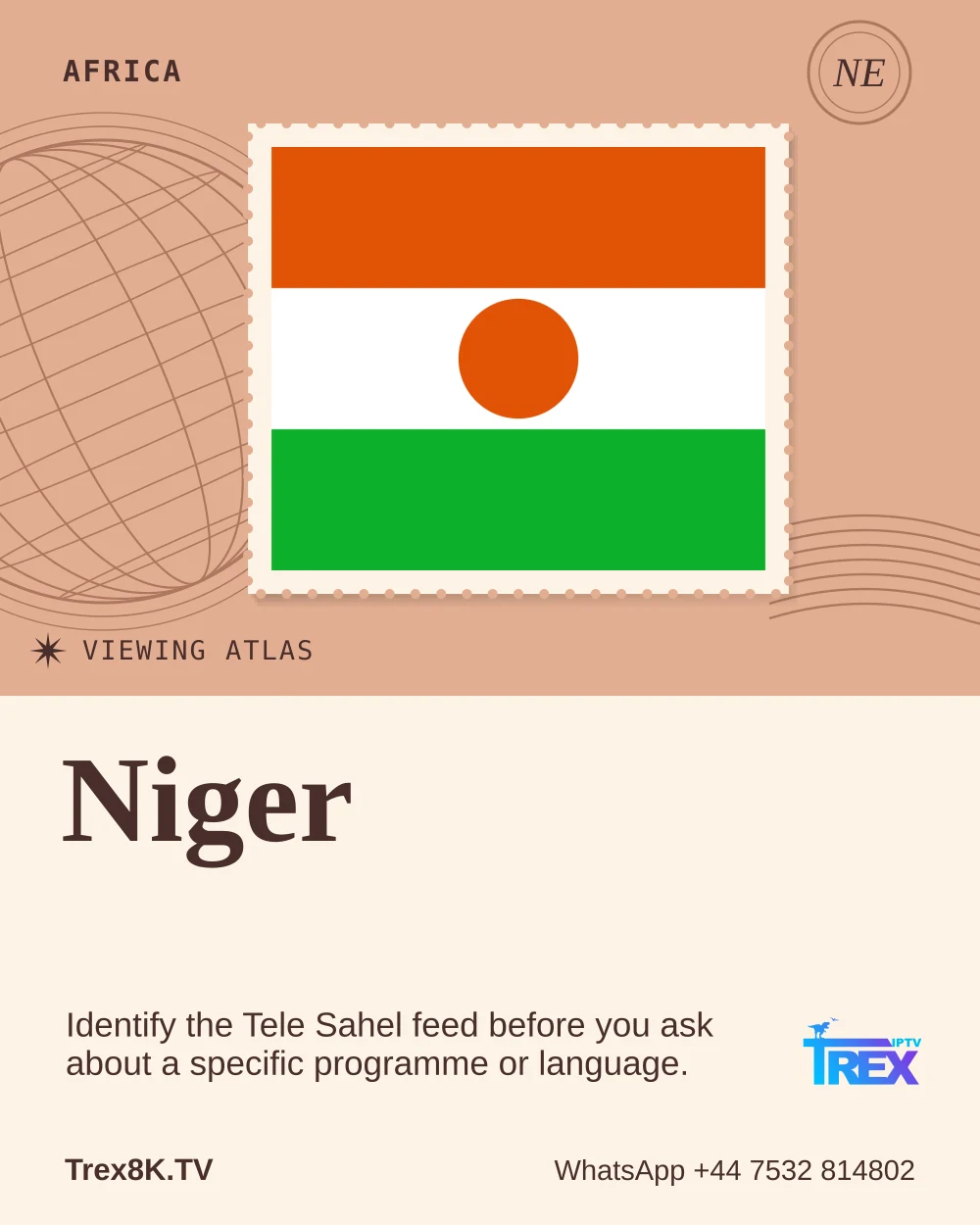
Niger has its own card and flag in the collection. The short label identifies the destination. For a local programme example, the destination guide starts here: For an event advertised at 20:00 UTC on 15 December 2026, the local clock in Niamey reads 21:00, 15 Dec. Use the country page to check the spelling that will actually appear in your player.
If you are comparing the cards on a phone, open the portrait of Niger. Its layout keeps the local identity legible without requiring you to zoom the landscape graphic. The accompanying guide has the station names and clock examples as searchable text.
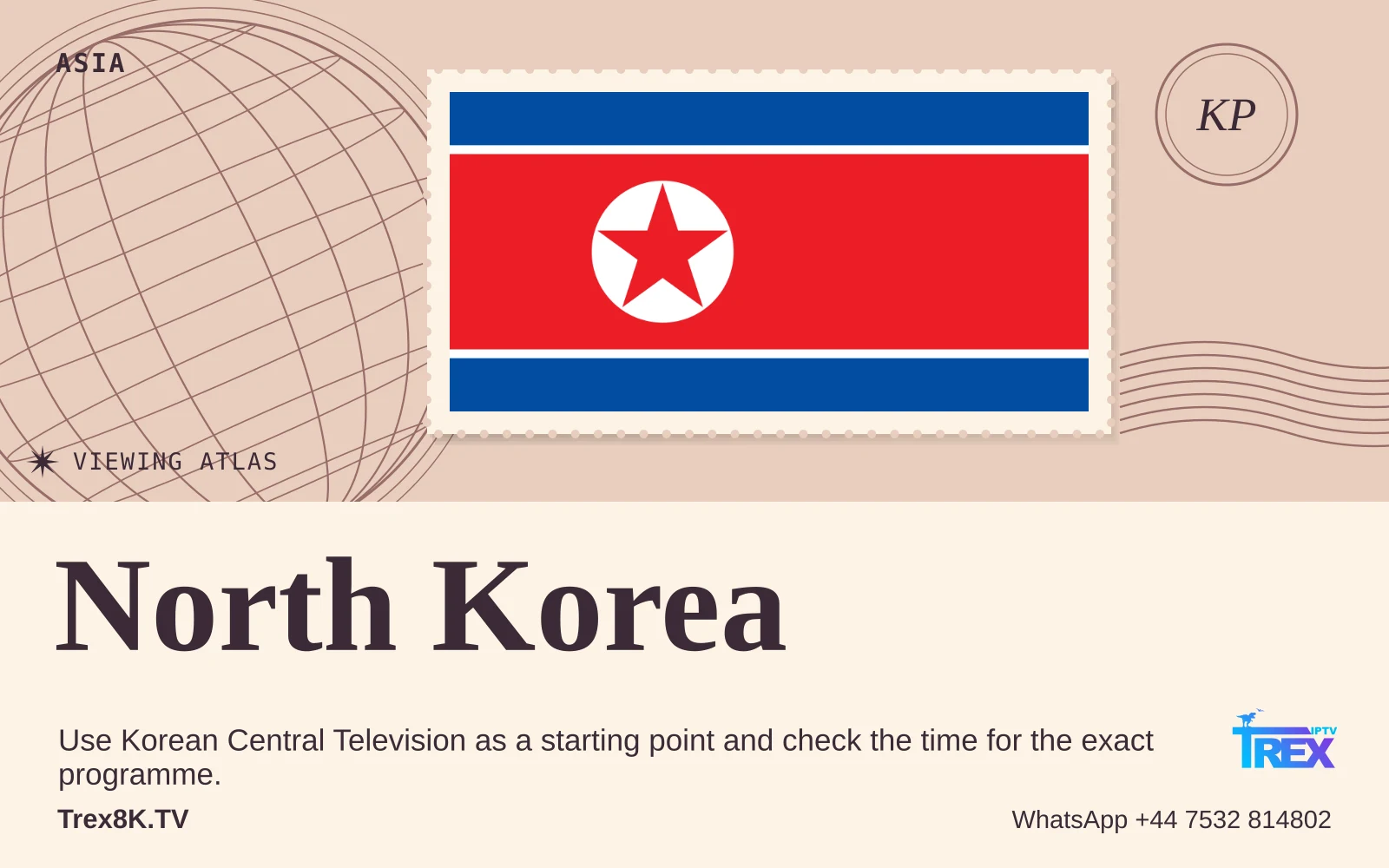
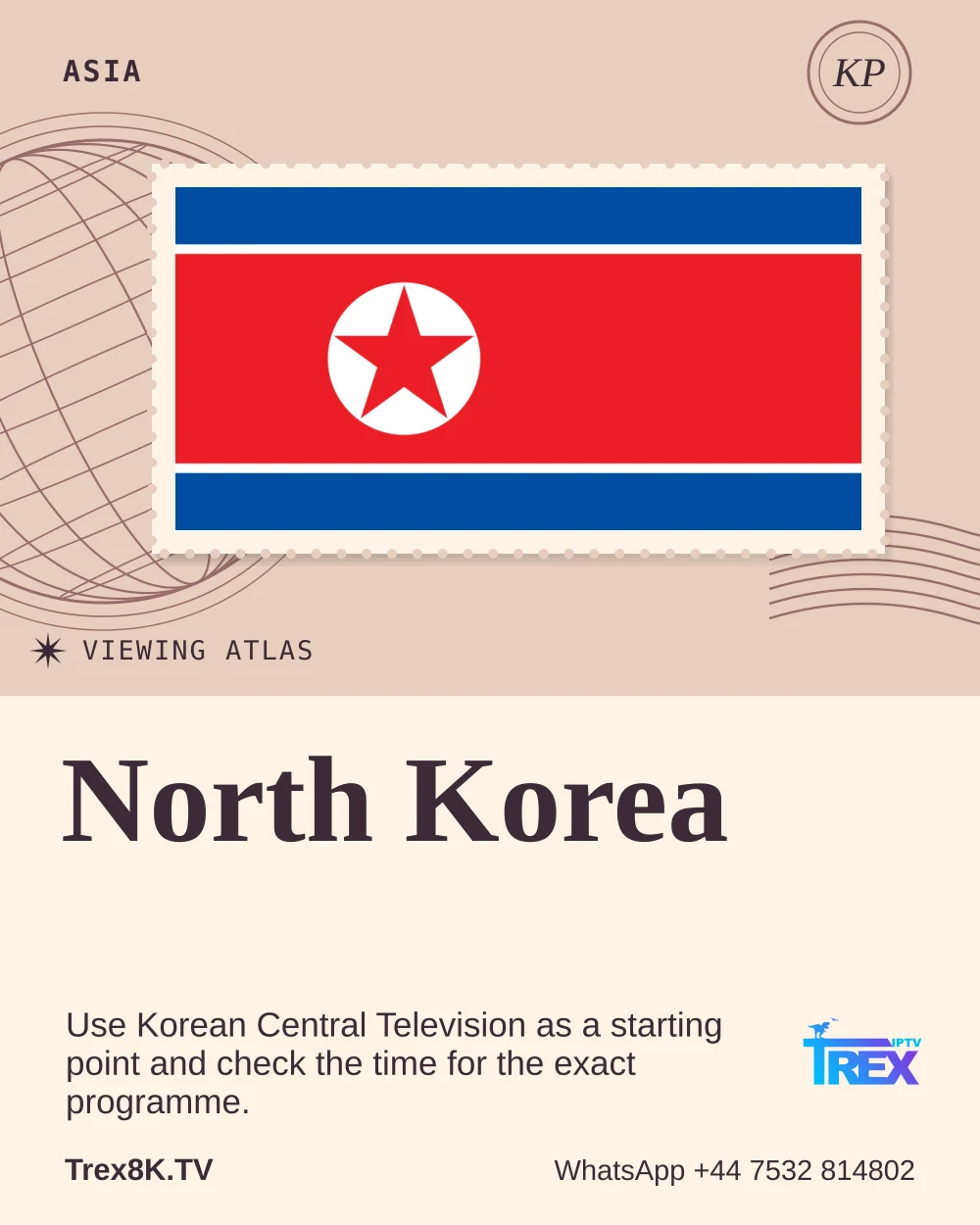
North Korea has its own card and flag in the collection. The short label identifies the destination. For a local programme example, the destination guide starts here: For an event advertised at 20:00 UTC on 15 December 2026, the local clock in Pyongyang reads 05:00, 16 Dec. Use the country page to check the spelling that will actually appear in your player.
If you are comparing the cards on a phone, open the portrait of North Korea. Its layout keeps the local identity legible without requiring you to zoom the landscape graphic. The accompanying guide has the station names and clock examples as searchable text.
Use the entries above to move between Mexico and North Korea. Each linked guide retains the full record, its source and any conditions that affect how to use it.