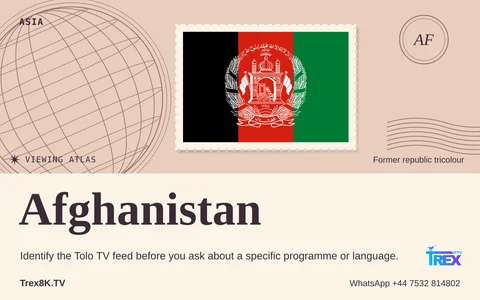
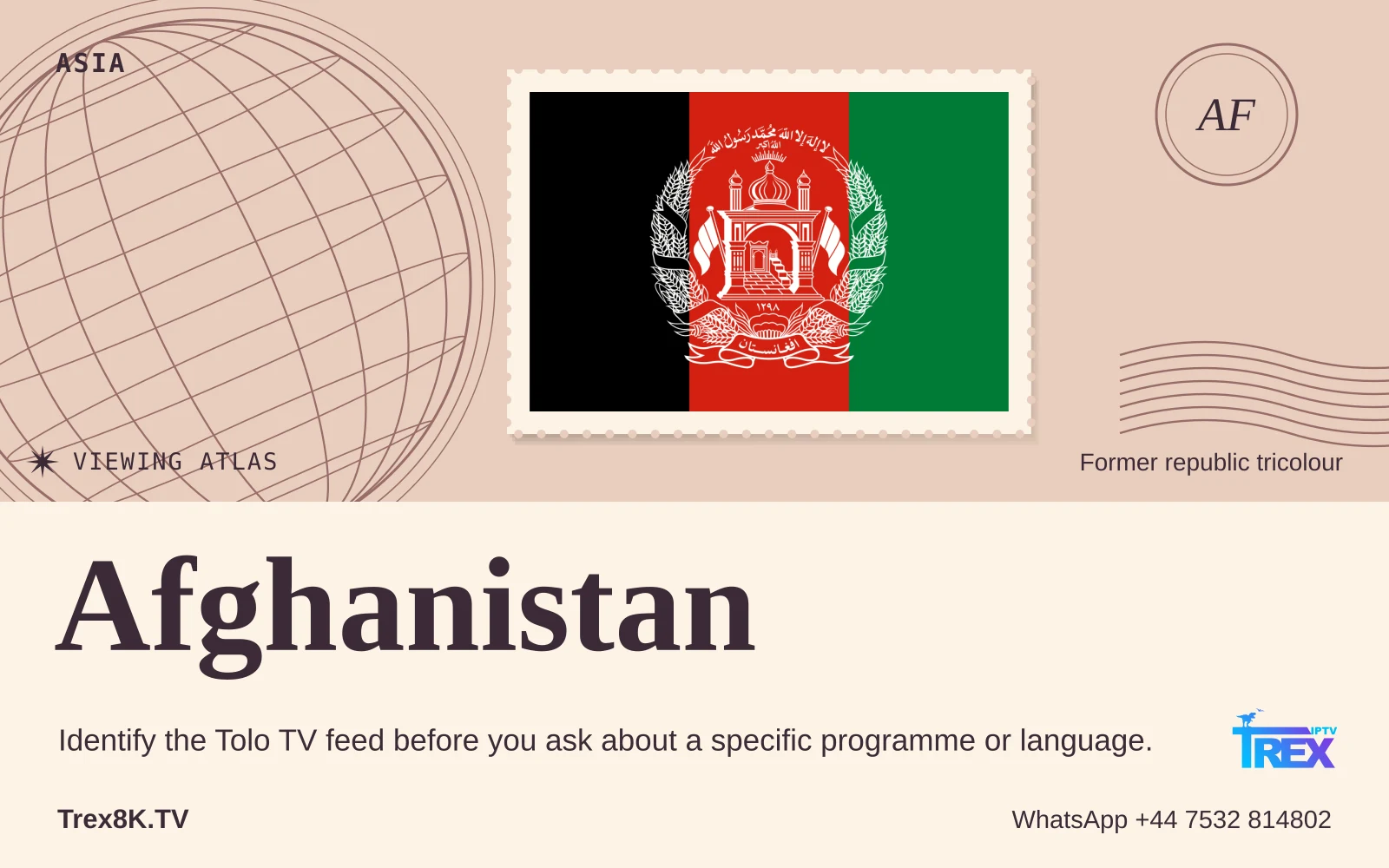
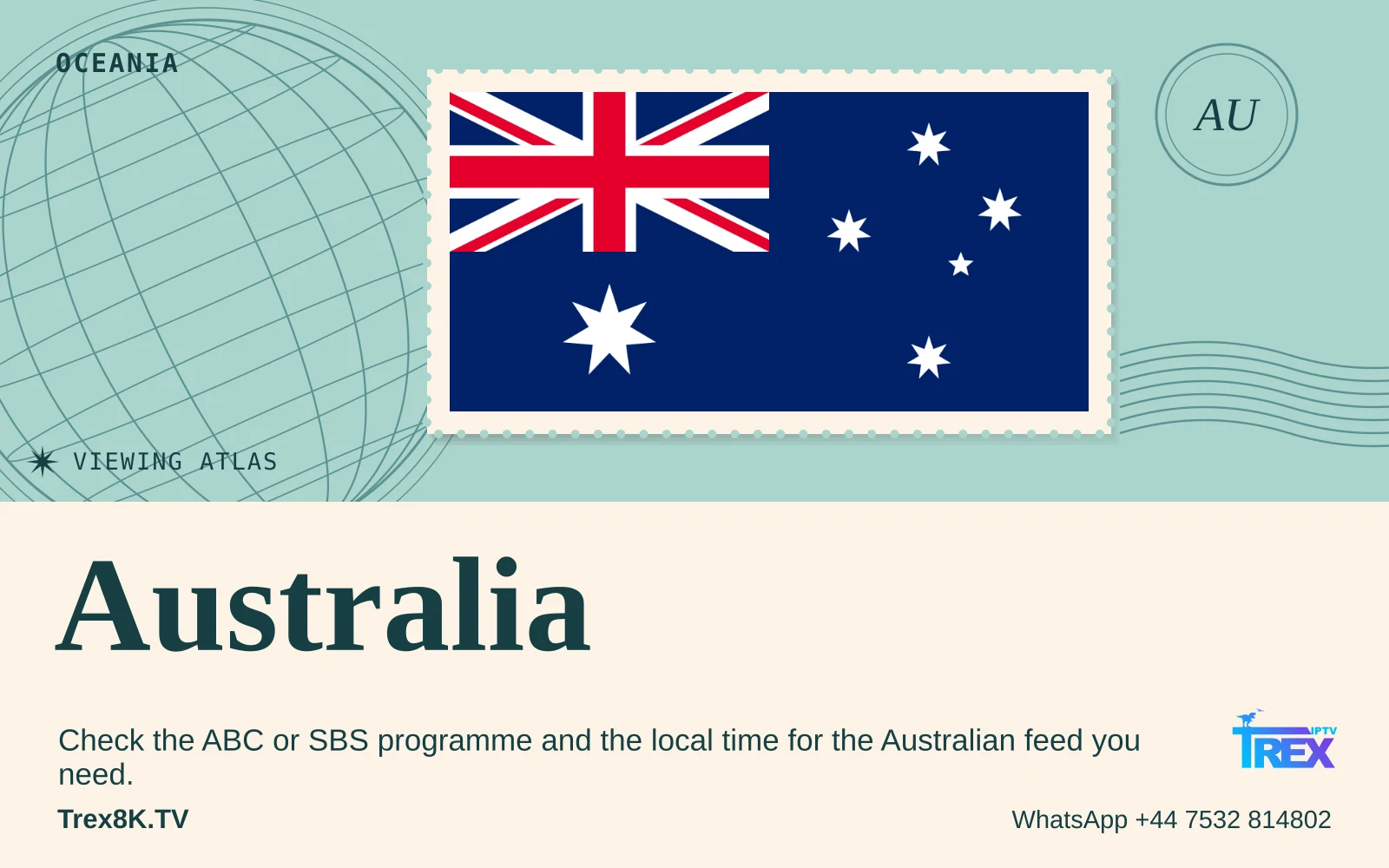
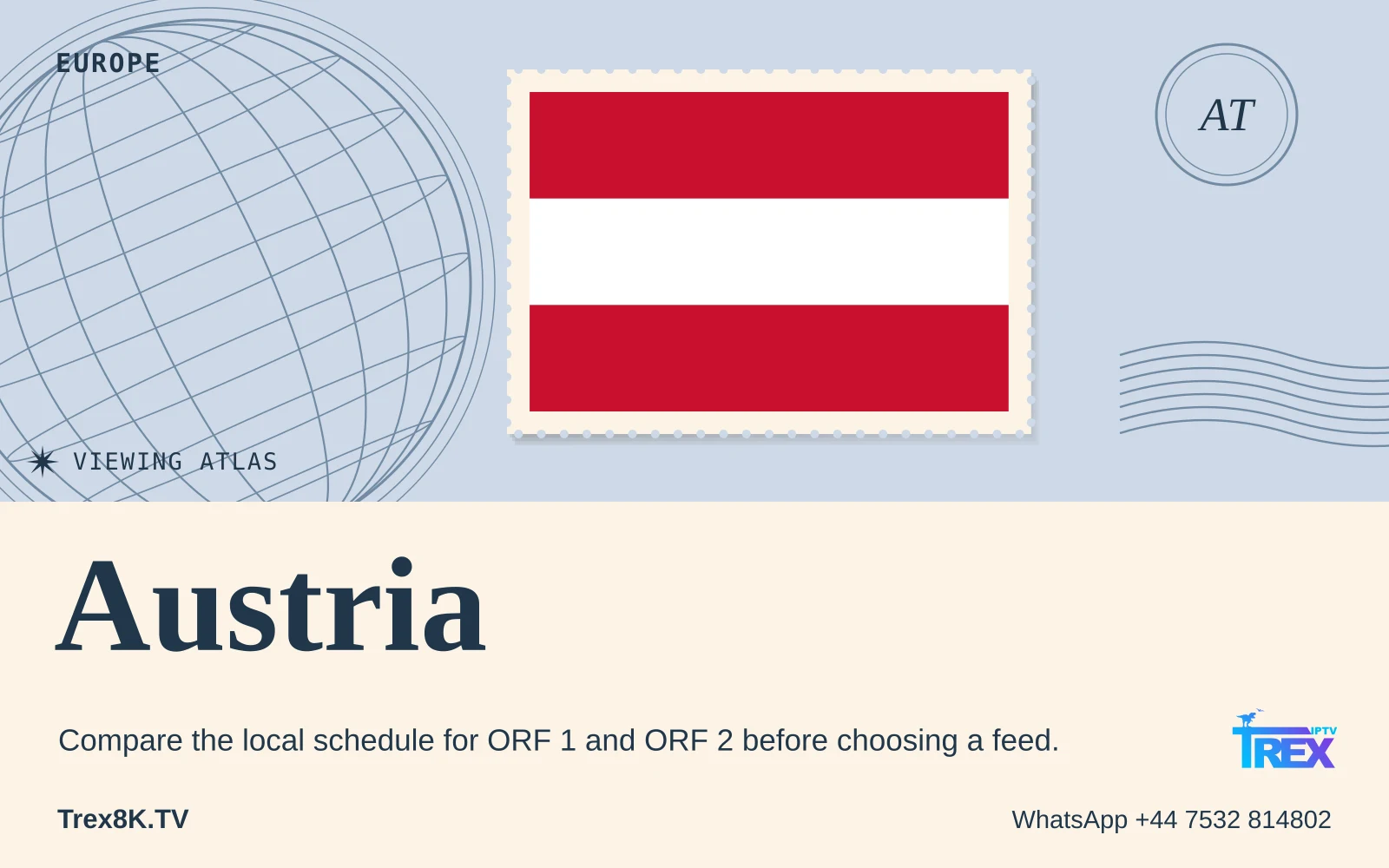
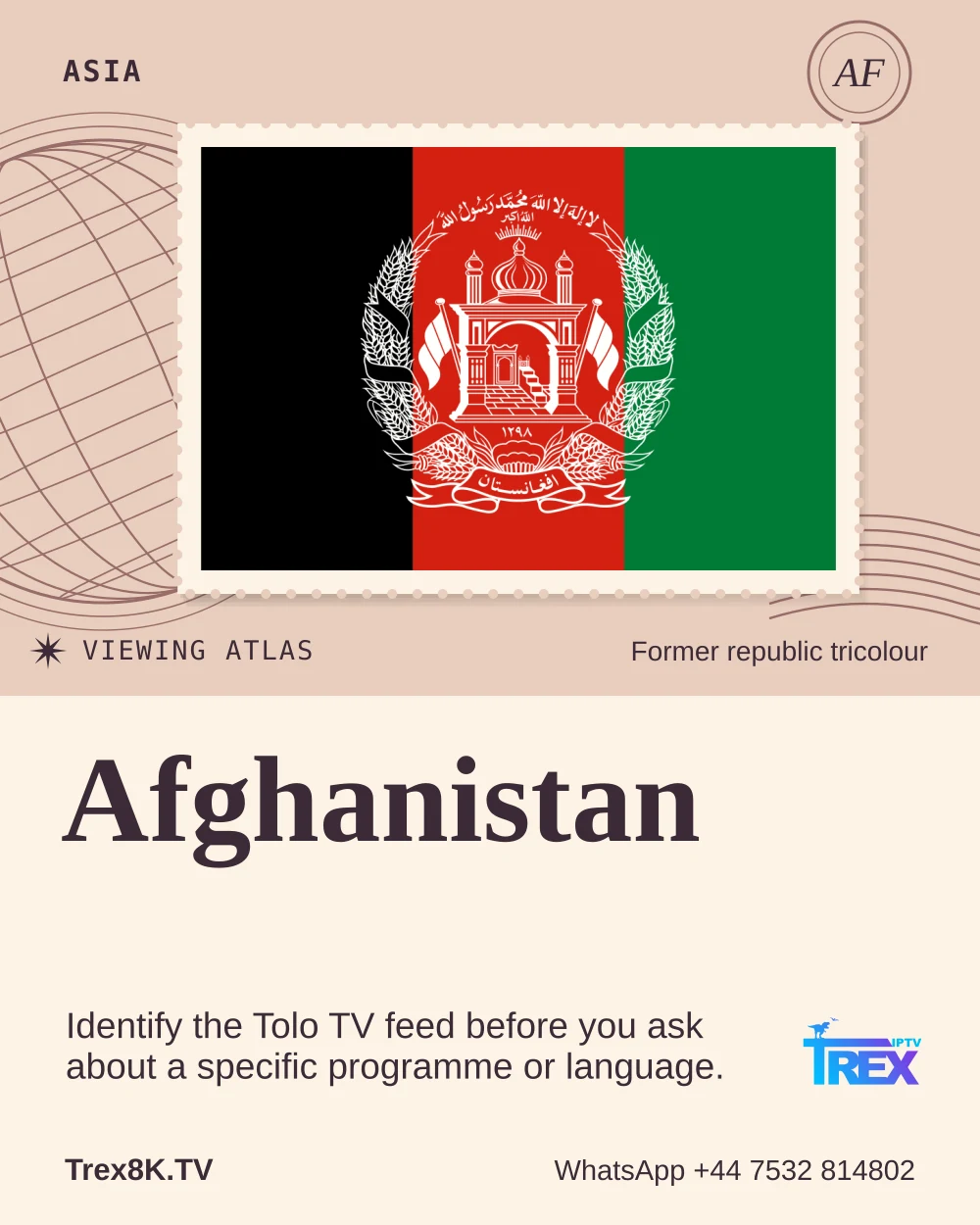
Afghanistan has its own card and flag in the collection. The short label identifies the destination. For a local programme example, the destination guide starts here: For an event advertised at 20:00 UTC on 15 December 2026, the local clock in Kabul reads 00:30, 16 Dec. Use the country page to check the spelling that will actually appear in your player.
If you are comparing the cards on a phone, open the portrait of Afghanistan. Its layout keeps the local identity legible without requiring you to zoom the landscape graphic. The accompanying guide has the station names and clock examples as searchable text.
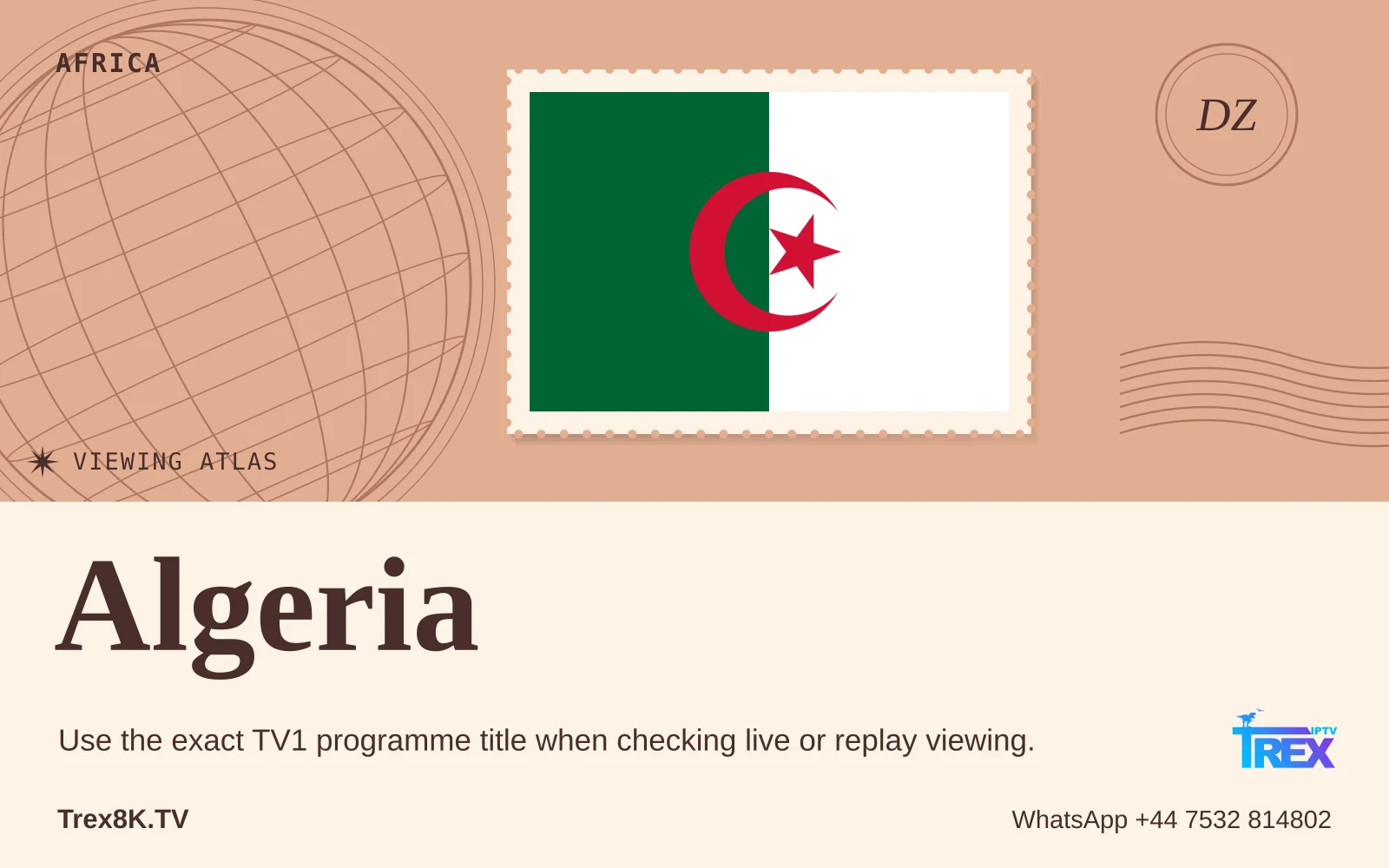
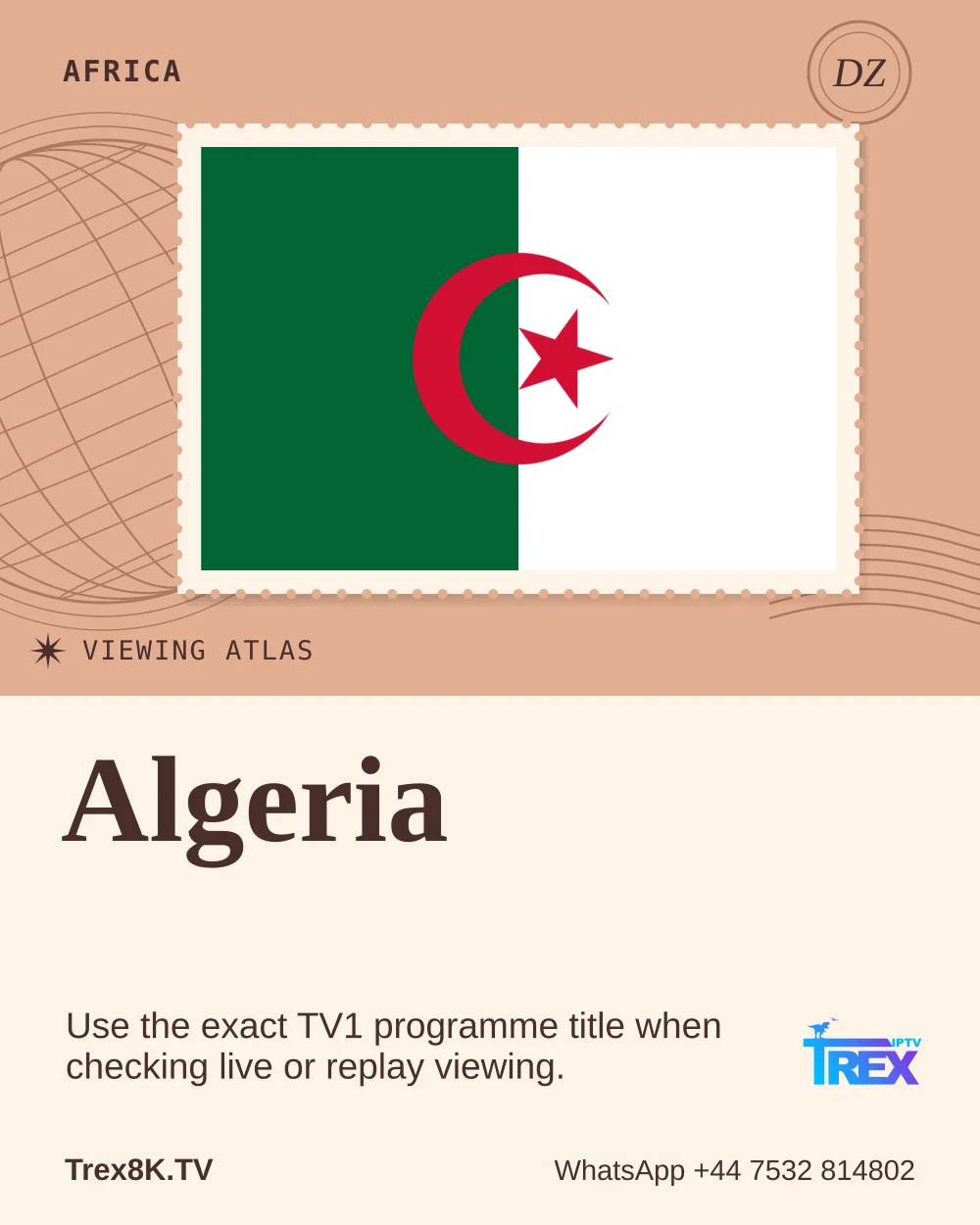
Algeria has its own card and flag in the collection. The short label identifies the destination. For a local programme example, the destination guide starts here: For an event advertised at 20:00 UTC on 15 December 2026, the local clock in Algiers reads 21:00, 15 Dec. Use the country page to check the spelling that will actually appear in your player.
If you are comparing the cards on a phone, open the portrait of Algeria. Its layout keeps the local identity legible without requiring you to zoom the landscape graphic. The accompanying guide has the station names and clock examples as searchable text.
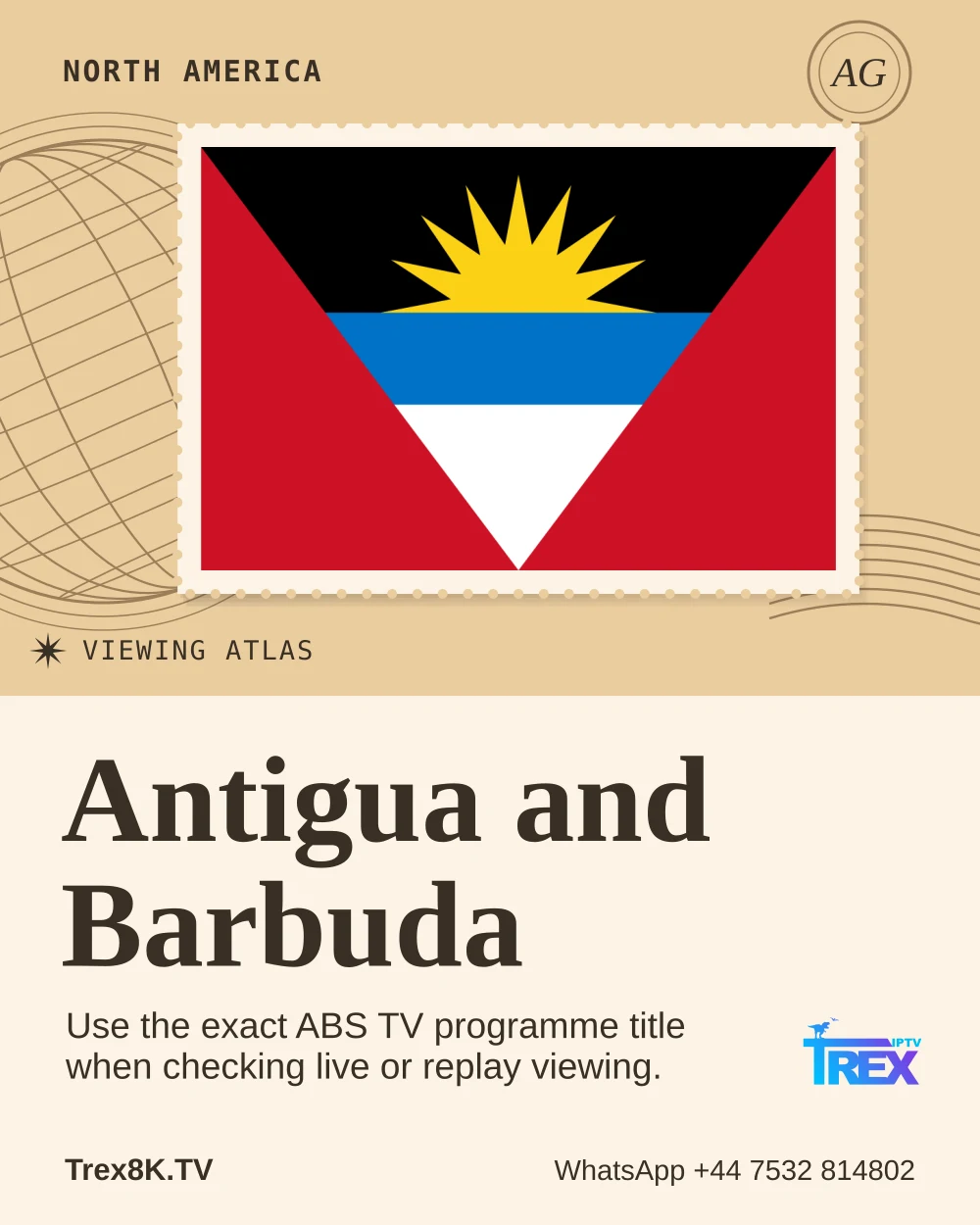
Antigua and Barbuda has its own card and flag in the collection. The short label identifies the destination. For a local programme example, the destination guide starts here: For an event advertised at 20:00 UTC on 15 December 2026, the local clock in Antigua reads 16:00, 15 Dec. Use the country page to check the spelling that will actually appear in your player.
If you are comparing the cards on a phone, open the portrait of Antigua and Barbuda. Its layout keeps the local identity legible without requiring you to zoom the landscape graphic. The accompanying guide has the station names and clock examples as searchable text.
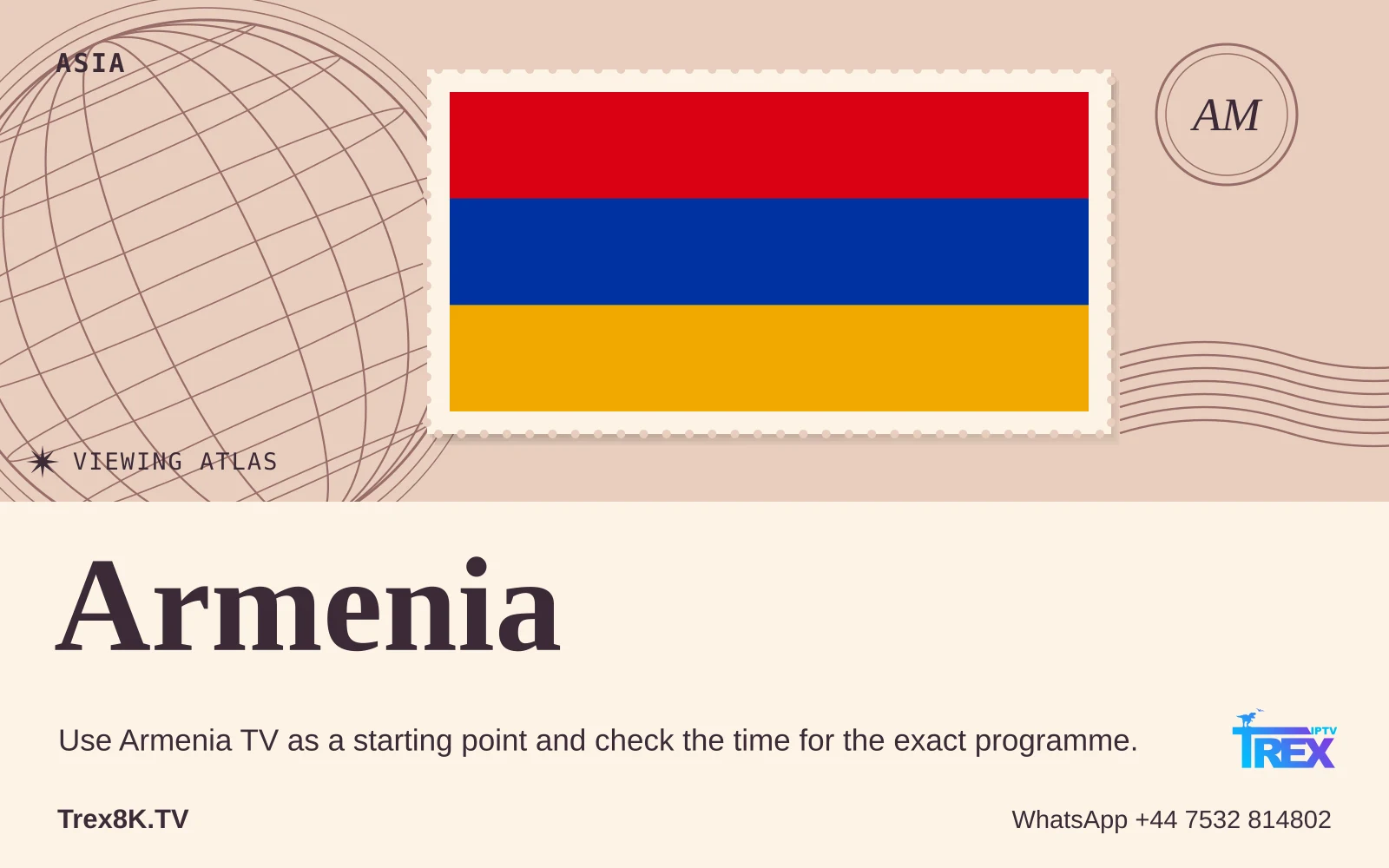
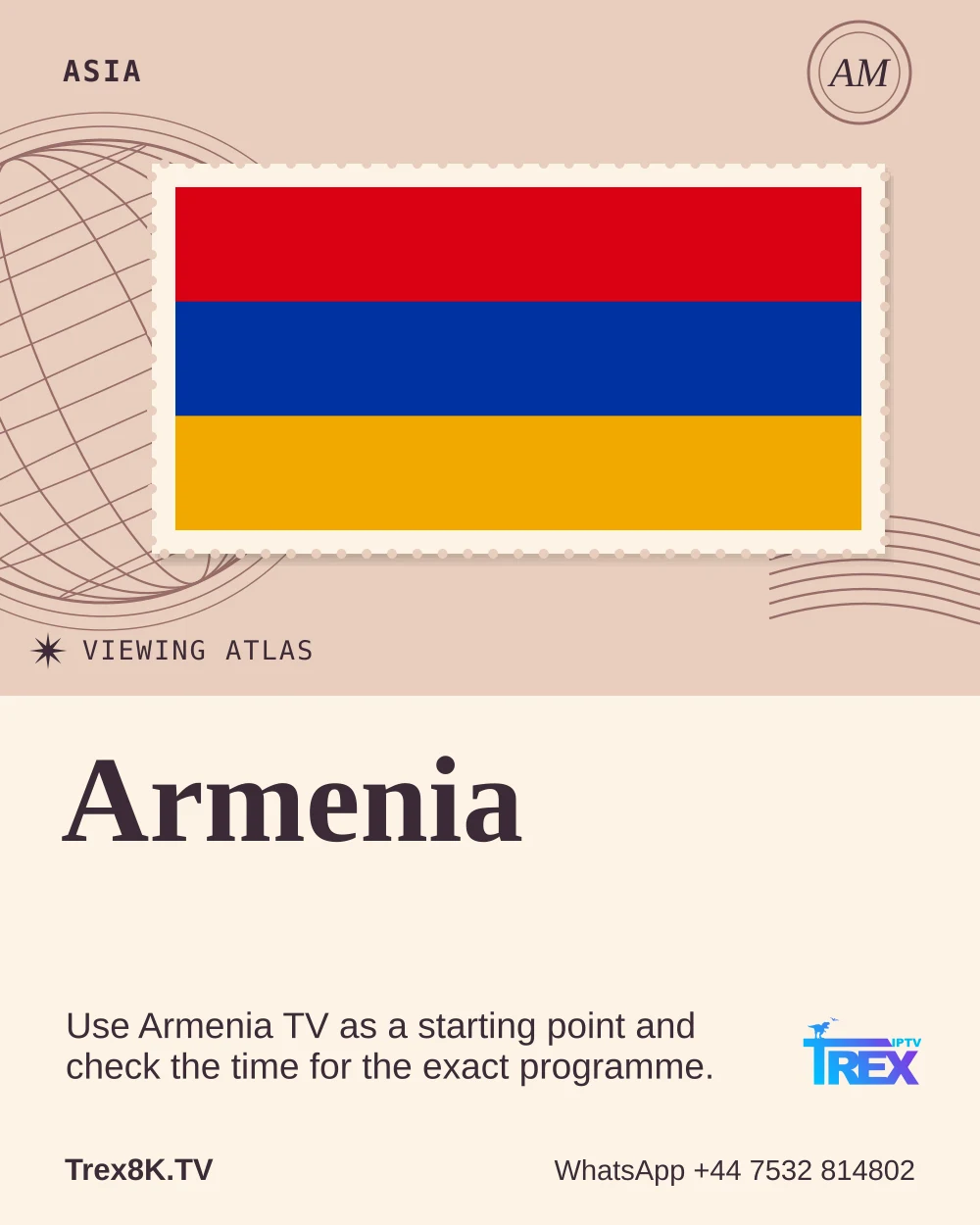
Armenia has its own card and flag in the collection. The short label identifies the destination. For a local programme example, the destination guide starts here: For an event advertised at 20:00 UTC on 15 December 2026, the local clock in Yerevan reads 00:00, 16 Dec. Use the country page to check the spelling that will actually appear in your player.
If you are comparing the cards on a phone, open the portrait of Armenia. Its layout keeps the local identity legible without requiring you to zoom the landscape graphic. The accompanying guide has the station names and clock examples as searchable text.
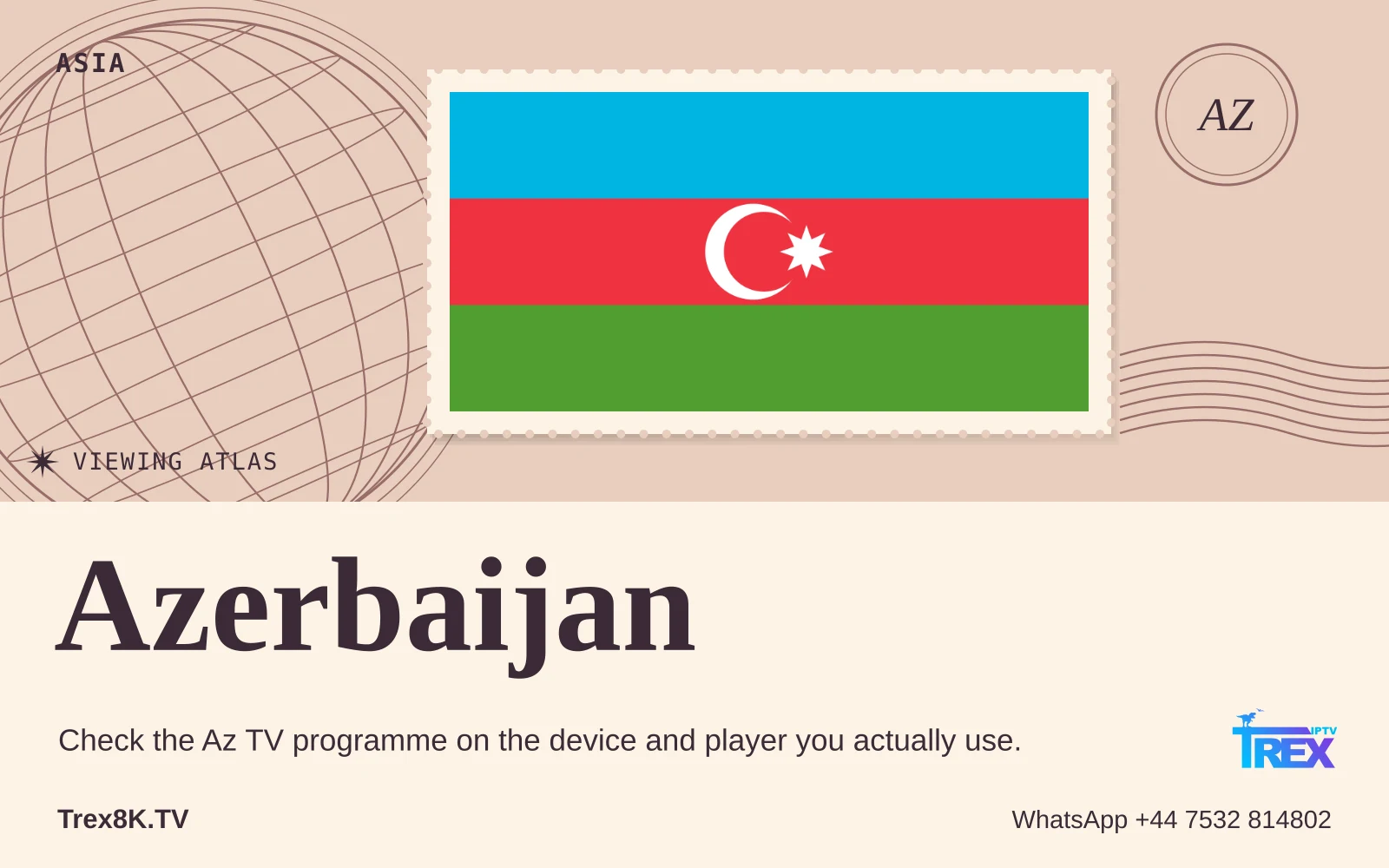
Azerbaijan has its own card and flag in the collection. The short label identifies the destination. For a local programme example, the destination guide starts here: For an event advertised at 20:00 UTC on 15 December 2026, the local clock in Baku reads 00:00, 16 Dec. Use the country page to check the spelling that will actually appear in your player.
If you are comparing the cards on a phone, open the portrait of Azerbaijan. Its layout keeps the local identity legible without requiring you to zoom the landscape graphic. The accompanying guide has the station names and clock examples as searchable text.
Bahrain has its own card and flag in the collection. The short label identifies the destination. For a local programme example, the destination guide starts here: For an event advertised at 20:00 UTC on 15 December 2026, the local clock in Bahrain reads 23:00, 15 Dec. Use the country page to check the spelling that will actually appear in your player.
If you are comparing the cards on a phone, open the portrait of Bahrain. Its layout keeps the local identity legible without requiring you to zoom the landscape graphic. The accompanying guide has the station names and clock examples as searchable text.
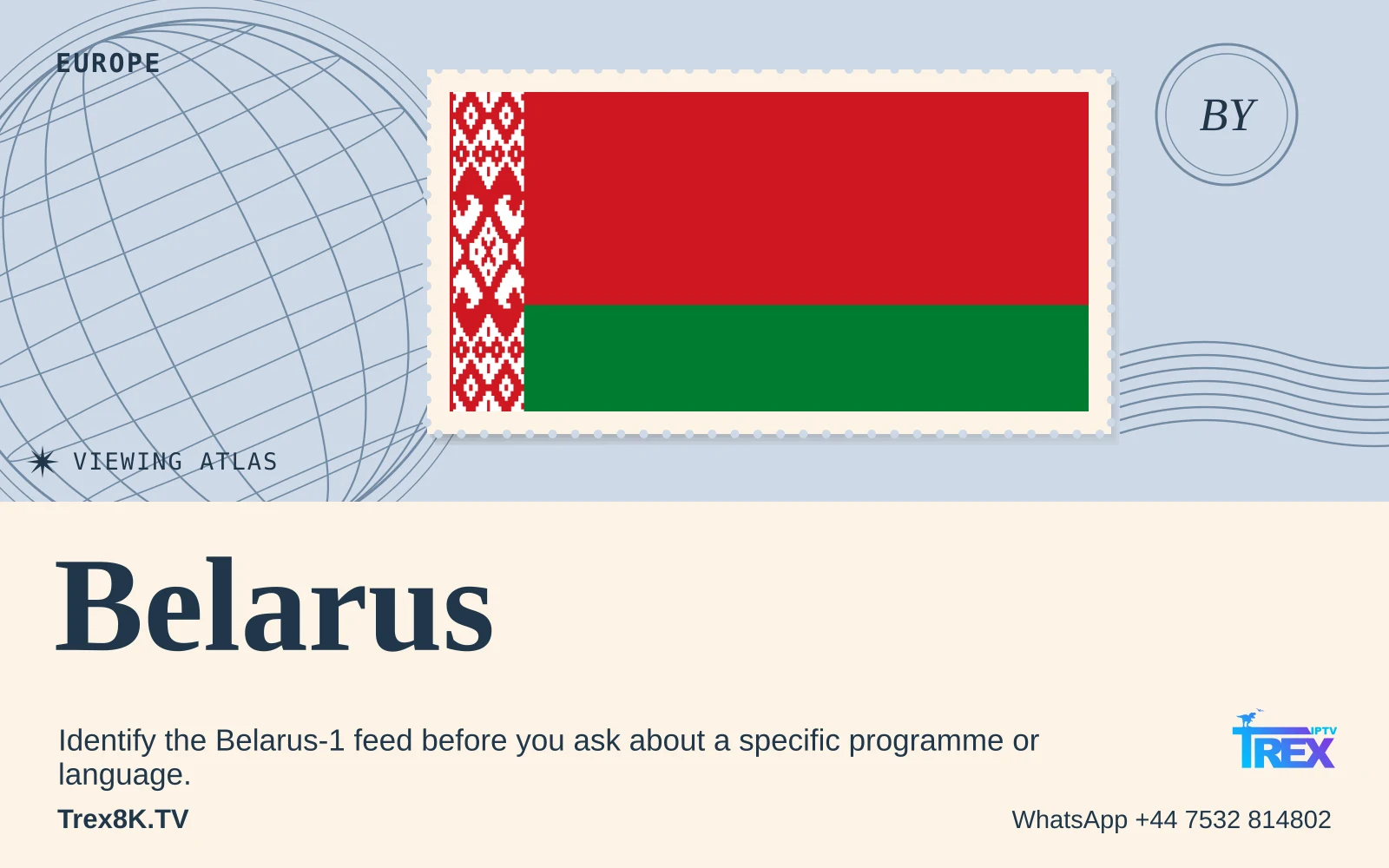
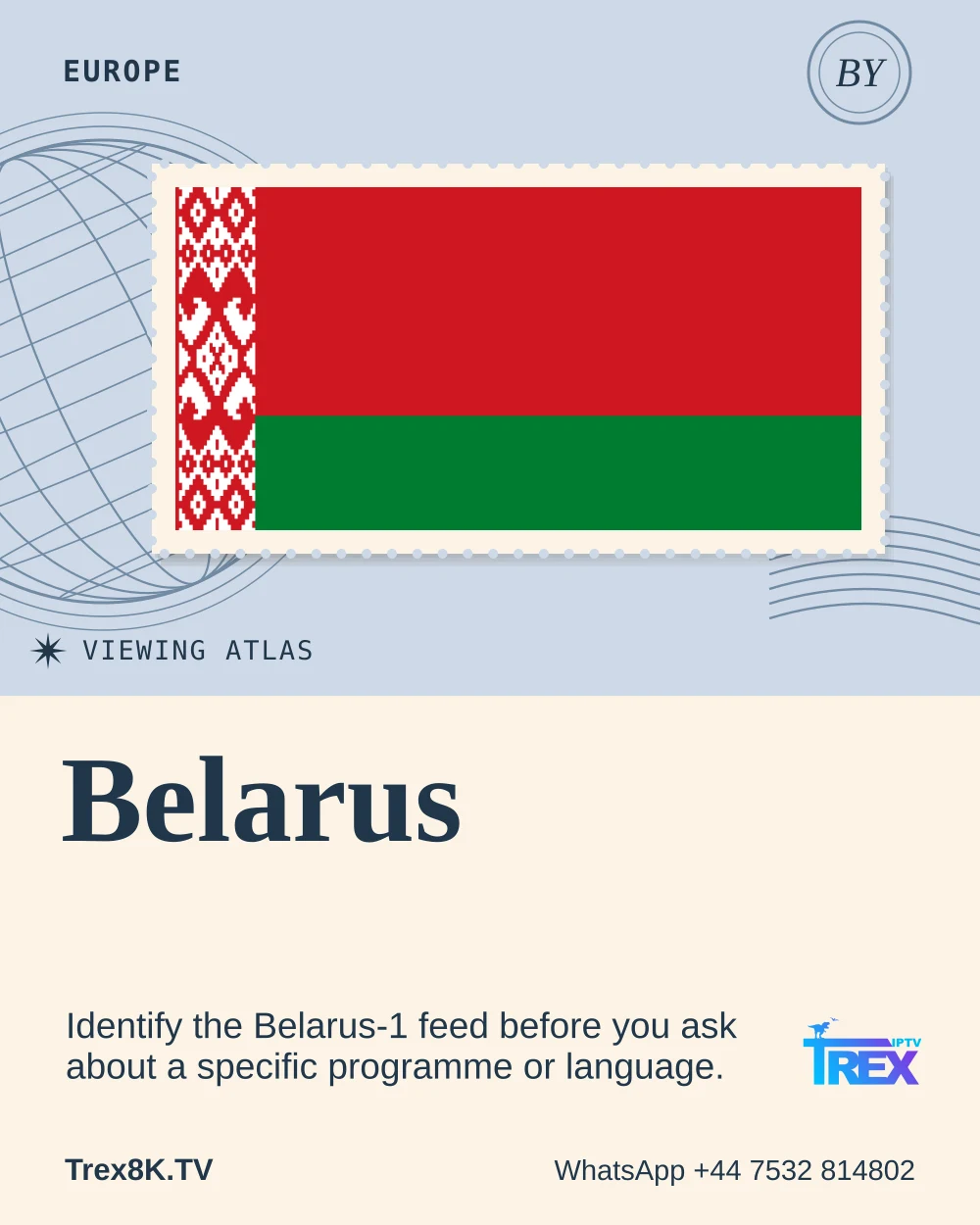
Belarus has its own card and flag in the collection. The short label identifies the destination. For a local programme example, the destination guide starts here: For an event advertised at 20:00 UTC on 15 December 2026, the local clock in Minsk reads 23:00, 15 Dec. Use the country page to check the spelling that will actually appear in your player.
If you are comparing the cards on a phone, open the portrait of Belarus. Its layout keeps the local identity legible without requiring you to zoom the landscape graphic. The accompanying guide has the station names and clock examples as searchable text.
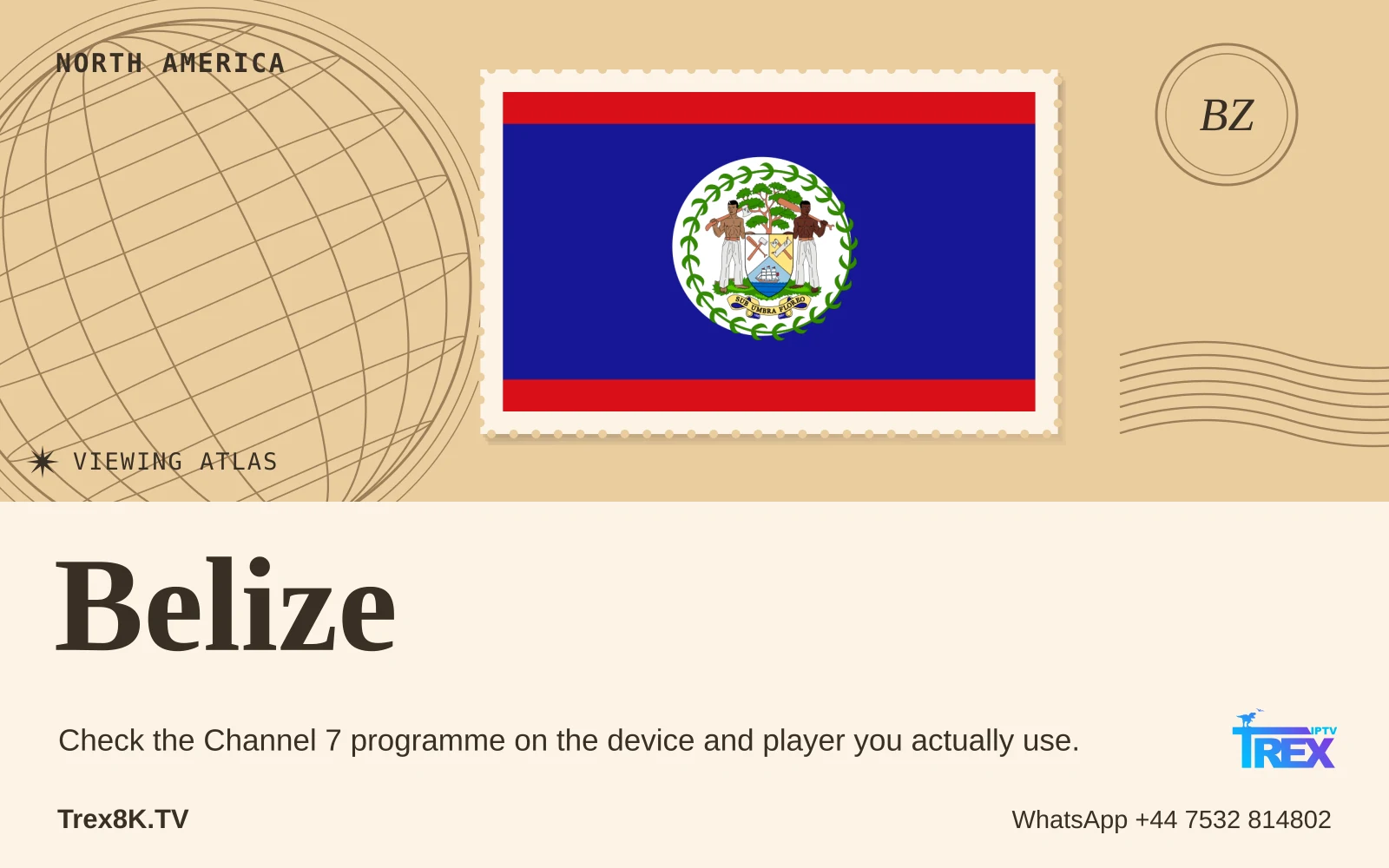
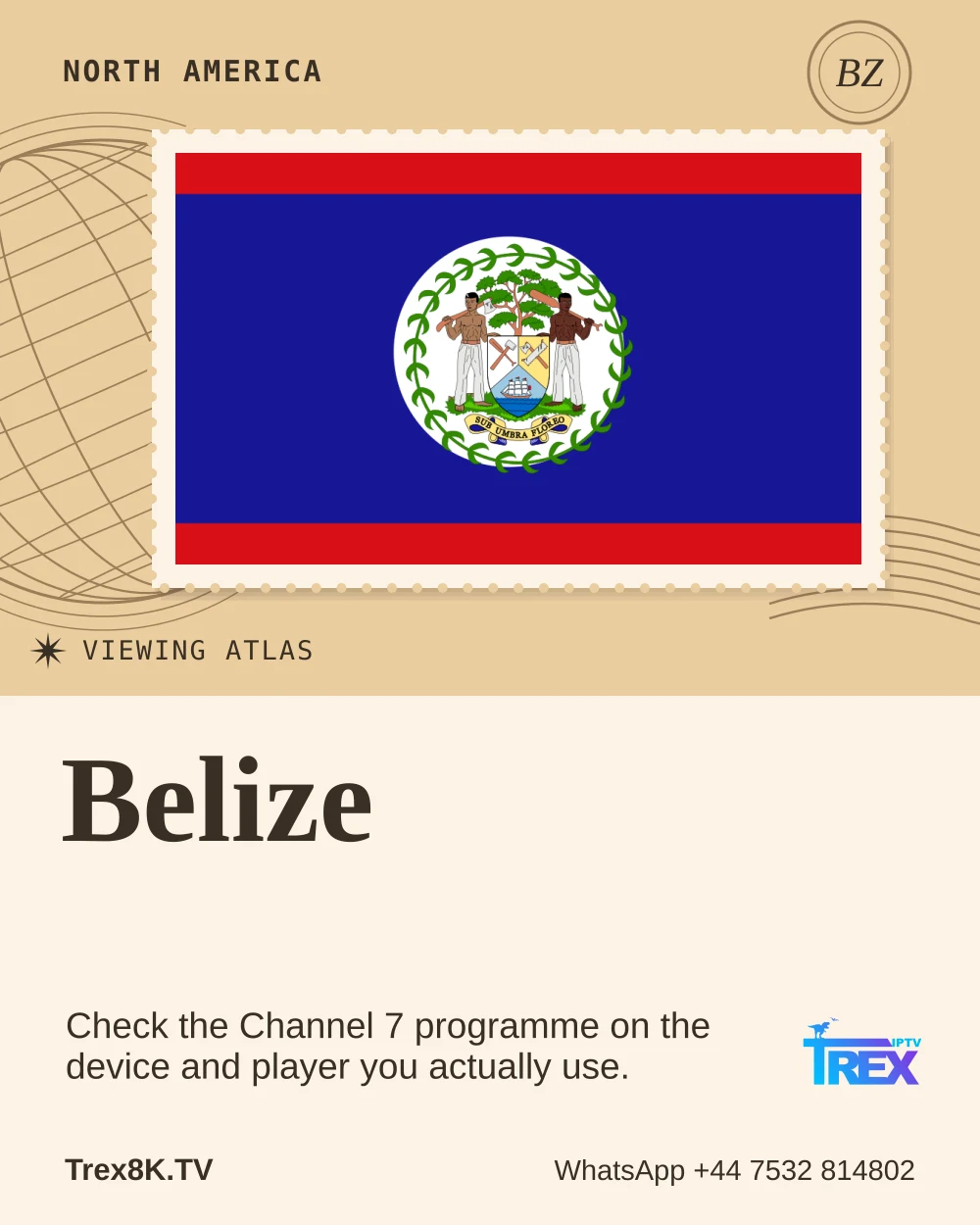
Belize has its own card and flag in the collection. The short label identifies the destination. For a local programme example, the destination guide starts here: For an event advertised at 20:00 UTC on 15 December 2026, the local clock in Belize reads 14:00, 15 Dec. Use the country page to check the spelling that will actually appear in your player.
If you are comparing the cards on a phone, open the portrait of Belize. Its layout keeps the local identity legible without requiring you to zoom the landscape graphic. The accompanying guide has the station names and clock examples as searchable text.
Use the entries above to move between Afghanistan and Belize. Each linked guide retains the full record, its source and any conditions that affect how to use it.