UFC competition guide
A UFC event can list early prelims, prelims and a main card separately. Read which part of the card the programme entry describes.

Reference details
| Field | Entry |
|---|---|
| Directory name | UFC |
| Entry type | Sports competition or body |
| Sport | Combat-Sports |
Reading the schedule
Start with the organizer’s dated listing. For a final or qualifying round, check which stage the broadcaster has named.
Find the broadcaster on your local guideBackground to the name
| Detail | Reference record |
|---|---|
| Founded | 1993 |
The main card starts before the main event
A UFC listing can separate early prelims, prelims and main-card coverage. The first bout on the main card and the headline bout are not scheduled to begin together. Save the named card, opponents and advertised segment rather than treating an estimated walkout time as fixed.
For UFC, keep the promotion, card, bout and session on the same line when saving a fixture. Start with the advertised card and the opponent or appearance you want. An undercard, a main card and a separately distributed feature can share an event poster. For professional wrestling, a weekly programme title can identify a segment more accurately than the name of a performer.
Reading the programme and the archive
The history of UFC reaches back to 1993. Take the edition year from the actual results when looking for archive footage. A present-day description can name a venue, format or governing body that was different when the footage was recorded. Compare the title on screen with the description in the competition background.
UFC schedules can attach more than one time to the same programme. A published opening time describes the relevant programme or card. Later bouts and appearances depend on the length of the earlier action. A promotional estimate for the headline appearance is a poor substitute for the actual start of the broadcast.
What a host-city time means at home
Consider a clock example for a viewer following UFC. Imagine that a programme lists 19:30 in Las Vegas on 12 December 2026. That reads 03:30 on 13 December in London and 12:30 on 13 December in Tokyo. The example is a time conversion. A real fixture still needs its own published start and host city.
Using the same 19:30 in Las Vegas on 12 June 2027 gives 03:30 on 13 June in London and 11:30 on 13 June in Tokyo. Compare those two dates before carrying a time difference into another UFC round. If the scheduling app already displays your local time, save the entry as shown. Converting it again is how an otherwise correct reminder ends up an hour or a whole day out.
Who carries the event in your market?
Begin with the organizer’s event page for UFC and choose the event, edition or fixture. Follow a “where to watch” link for the country in which the screen will be used. In the local broadcaster’s own guide, match the event details with the network or streaming service and the start of coverage. A worldwide organizer feed and a domestic broadcaster may use different names for the same programme.
If you are planning to use a television instead of a browser for UFC, open the broadcaster’s own device list. Check the television model, software version and the account tier attached to the receipt. An app that installs successfully may still require a television-provider sign-in or carry only part of the event. A listing for a phone does not establish which features its television app offers.
Finding the part you came for
For an archive search under UFC, start with the official results before typing a long description of a moment. A fight clip, a full-bout replay and the complete card have different running times. If the search is for the build-up or the interview after a result, a short finish clip may omit it. Keep the opponent, event and date together in the search.
A useful enquiry about UFC includes the exact fixture or session, the organizer’s date, the country of the screen and the name of the broadcaster’s programme. Add whether you want live coverage, a complete replay or highlights. Those details allow a second person to check the same listing. A photograph, crest or result score on its own cannot identify the licensed viewing offer.
Competition picture desk

Reading the competition tables
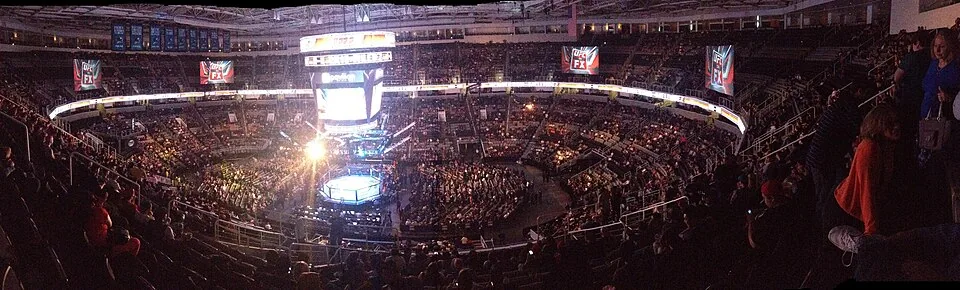
The UFC reference table pairs event and date. Its entries include “Velasquez vs. dos Santos · November 12, 2011”, “Evans vs. Davis · January 28, 2012” and “dos Santos vs. Miocic · December 13, 2014”. Different reference tables can track editions, events, people or organizations. The headings preserve that distinction. Copying a name into a search without its category can make a season summary look like a result from one specific meeting.
| Event | Date |
|---|---|
| Velasquez vs. dos Santos | November 12, 2011 |
| Evans vs. Davis | January 28, 2012 |
| dos Santos vs. Miocic | December 13, 2014 |
| Gustafsson vs. Johnson | January 24, 2015 |
Questions and answers
Which schedule details identify UFC?
A UFC listing can separate early prelims, prelims and main-card coverage. The first bout on the main card and the headline bout are not scheduled to begin together. Save the named card, opponents and advertised segment rather than treating an estimated walkout time as fixed.
Illustrated guides